



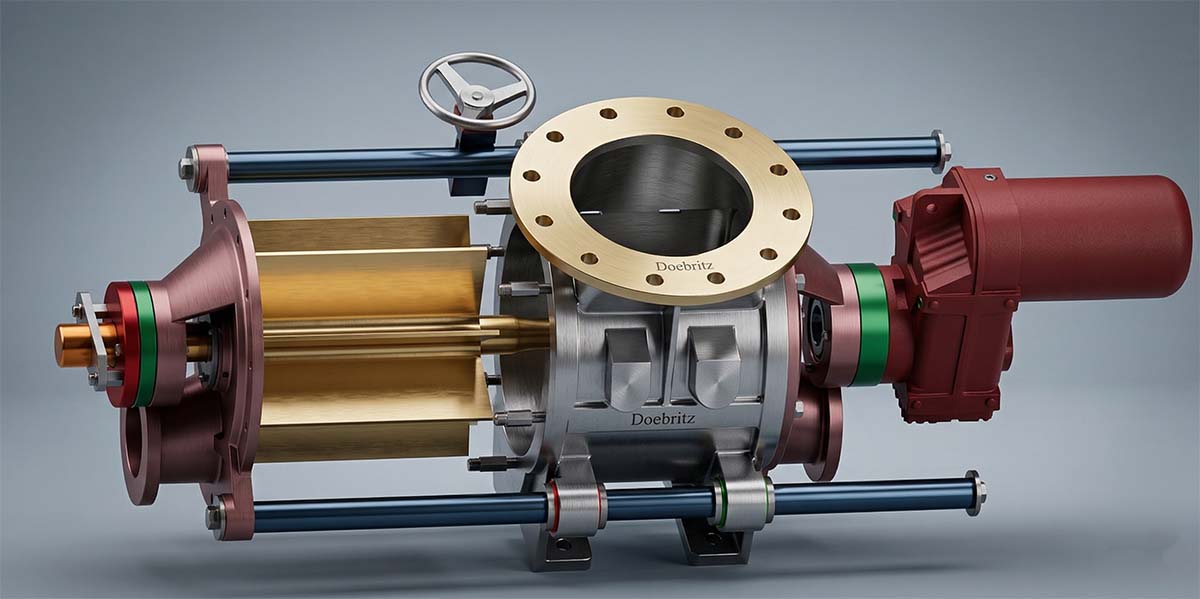

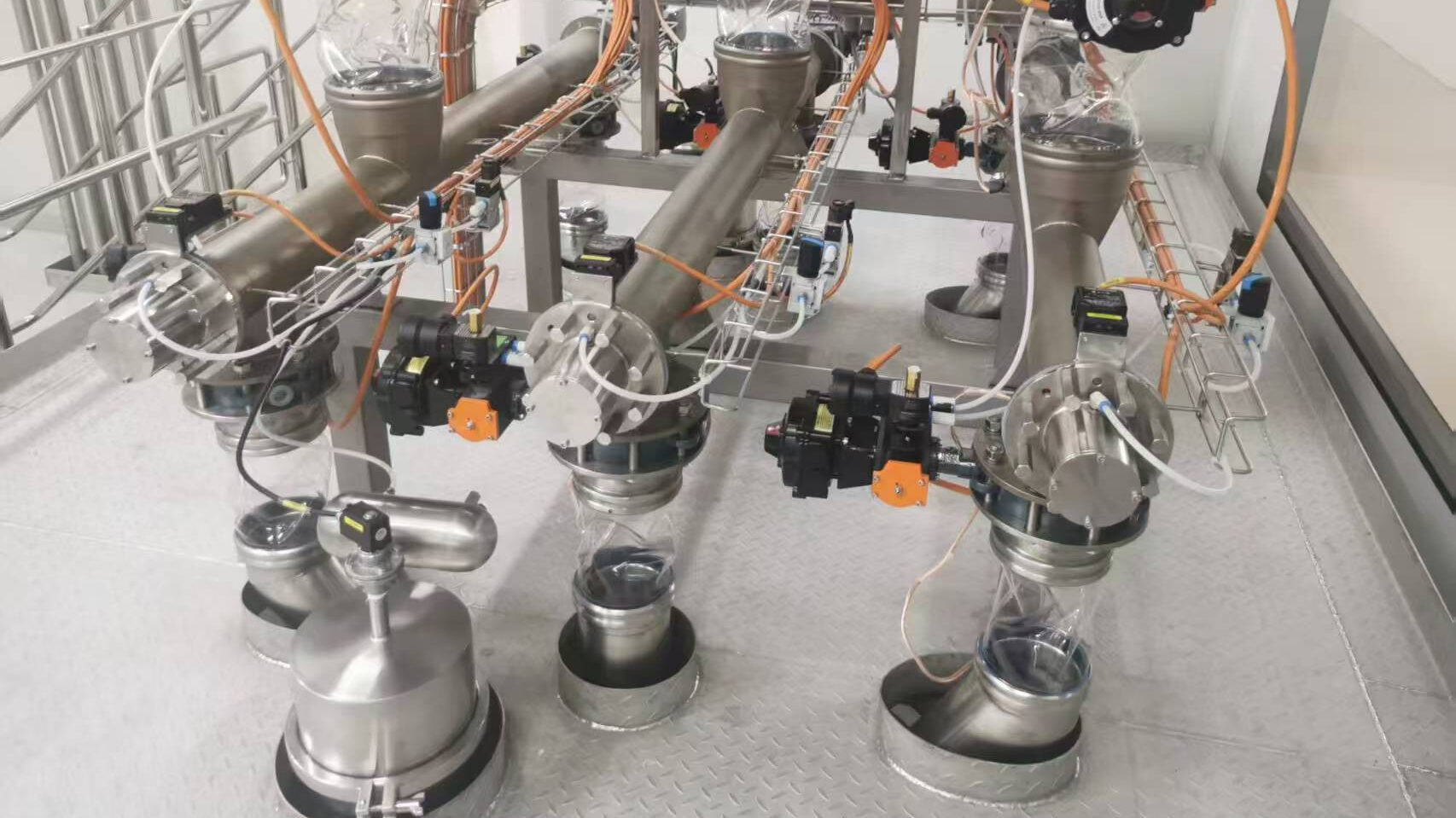
In molti impianti di trasformazione alimentare, i problemi legati al trasporto delle polveri raramente hanno origine dal trasportatore stesso. Di solito hanno origine dal programma di produzione.
Una linea che produce latte in polvere al mattino potrebbe passare al cacao in polvere nel pomeriggio e alle miscele proteiche la sera. Ogni cambio di prodotto comporta pulizia, ispezione, tempi di fermo e la necessità di riavviare rapidamente la produzione senza rischi di contaminazione. Quando la polvere si accumula negli angoli nascosti dei nastri trasportatori o gli operatori hanno difficoltà a individuare eventuali ostruzioni, anche un piccolo problema può ritardare l’intero lotto.
Ecco perché la scelta del giusto trasportatore a polvere per uso alimentare è diventata più importante della semplice selezione di una macchina in grado di spostare il materiale dal punto A al punto B. Nella moderna produzione alimentare, il trasportatore deve garantire igiene, rapidità di pulizia, portata stabile e funzionamento affidabile anche in presenza di esigenze produttive mutevoli.
Tra i sistemi di trasporto a coclea, due tipologie dominano oggi il settore alimentare: i trasportatori a coclea a canale a U e quelli tubolari. Entrambi sono ampiamente utilizzati nei sistemi di movimentazione delle polveri, ma le loro prestazioni in ambienti a contatto con gli alimenti possono variare notevolmente a seconda dell’applicazione.
Comprendere tali differenze aiuta le aziende di trasformazione a evitare costi di pulizia superflui, sprechi di materiale e tempi di fermo per manutenzione.
Perché la struttura del nastro trasportatore è fondamentale nella lavorazione delle polveri alimentari
Le polveri alimentari si comportano in modo diverso rispetto ai solidi granulari o ai materiali industriali. Le polveri fini, quali farina, amido, miscele di condimenti, proteine del siero di latte, zucchero e latte in polvere, sono sensibili all’umidità, alla compattazione e all’accumulo di residui. Alcuni ingredienti sono inoltre altamente adesivi, mentre altri si degradano se esposti a una pressione eccessiva o a velocità di trasporto instabili.
Allo stesso tempo, i produttori alimentari devono far fronte a requisiti igienici sempre più rigorosi. Secondo l’Organizzazione per l’alimentazione e l’agricoltura (FAO), la progettazione igienica delle attrezzature svolge un ruolo fondamentale nella riduzione dei rischi di contaminazione durante la lavorazione degli alimenti.
A causa di queste realtà operative, la struttura del trasportatore influisce direttamente su:
- Efficienza di pulizia
- Prevenzione della contaminazione incrociata
- Stabilità del flusso di materiale
- Carico di lavoro relativo alla manutenzione
- Flessibilità produttiva
È proprio in questo contesto che il confronto tra i trasportatori a U e quelli tubolari a coclea assume particolare rilevanza.
Due modelli tradizionali, un bivio cruciale
Prima di addentrarci nei dettagli tecnici, proviamo a immaginare le due opzioni. Un trasportatore a coclea a U presenta un canale a forma di U aperto nella parte superiore, coperto da coperchi rimovibili. Si può immaginare come un half-pipe che permette di vedere la coclea e la polvere che si muovono al suo interno. Un trasportatore a coclea tubolare, invece, è un tubo circolare completamente chiuso che racchiude interamente la coclea. Ha un aspetto ordinato e compatto, ma ciò che accade al suo interno rimane in gran parte nascosto.
Entrambe le tipologie possono essere realizzate in acciaio inossidabile e soddisfano gli standard di idoneità al contatto con gli alimenti. Tuttavia, la differenza strutturale comporta conseguenze molto concrete nel funzionamento quotidiano. Per un trasportatore di polveri per uso alimentare, l’accessibilità per la pulizia, la visibilità del flusso e la facilità di manutenzione non sono un lusso, ma una necessità. Analizziamo queste differenze una per una.
Confronto tra trasportatori a U e trasportatori a coclea tubolari
A prima vista, entrambi i sistemi utilizzano alberi a vite rotanti per il trasporto dei materiali in polvere. Tuttavia, la struttura circostante influisce sulle modalità con cui gli operatori effettuano la pulizia, l’ispezione, la manutenzione e la risoluzione dei problemi del sistema.
1. Accessibilità per la pulizia e prestazioni igieniche
La pulizia rappresenta spesso la principale differenza dal punto di vista operativo. Un trasportatore a coclea tubolare utilizza una struttura a tubo completamente chiusa. Sebbene questo design consenta di isolare efficacemente i materiali dall’ambiente esterno, limita anche l’accesso ai componenti interni. Gli operatori devono solitamente smontare diverse sezioni per ispezionare o pulire a fondo l’interno della coclea.
Negli stabilimenti alimentari in cui si effettuano frequenti cambi di prodotto, questo processo può rivelarsi dispendioso in termini di tempo e manodopera. La polvere residua intrappolata all’interno del tubo può inoltre aumentare i rischi di contaminazione incrociata.
Al contrario, un trasportatore a coclea a forma di U per polveri di qualità alimentare garantisce un accesso molto più agevole. Il coperchio superiore rimovibile consente agli operatori di ispezionare direttamente la coclea e l’interno della vasca senza dover ricorrere a complesse procedure di smontaggio.
Questa differenza assume particolare rilevanza nei settori che trattano ingredienti che possono causare allergie, polveri aromatizzate o formulazioni nutrizionali, dove la convalida della pulizia è fondamentale.
Molti operatori del settore danno ormai la priorità alle attrezzature che consentono procedure di lavaggio più rapide, poiché i tempi di inattività durante le operazioni di sanificazione incidono direttamente sulla produttività dello stabilimento.
2. Trasmissione della stabilità e osservazione del flusso
Il comportamento del flusso delle polveri non è sempre prevedibile. Alcuni materiali tendono a formare ponti con facilità. Altri si compattano durante il trasporto o si attaccano alle superfici interne. Quando ciò accade all’interno di un trasportatore tubolare chiuso, gli operatori potrebbero non individuare immediatamente la causa dell’ostruzione.
La struttura a vista di un trasportatore a U facilita il monitoraggio del flusso di materiale durante il funzionamento. Il personale addetto alla manutenzione è in grado di individuare rapidamente accumuli anomali, alimentazioni irregolari o usura delle coclee prima che si verifichino problemi gravi.
Negli ambienti di produzione reali, questa visibilità migliora la stabilità operativa.
I trasportatori tubolari possono comunque garantire buone prestazioni in applicazioni controllate, in particolare per il trasporto in ambiente chiuso di polveri pericolose o volatili. Tuttavia, per le comuni polveri alimentari che richiedono ispezioni frequenti e adeguamenti del processo, i sistemi a canaletta a U offrono spesso una maggiore flessibilità operativa.
3. Complessità della manutenzione e tempi di inattività
I costi di manutenzione non riguardano solo i pezzi di ricambio, ma anche le ore di manodopera e le interruzioni della produzione.
I trasportatori tubolari richiedono in genere procedure di smontaggio più complesse. I punti di accesso interni sono limitati e gli interventi di manutenzione possono richiedere competenze tecniche più approfondite. Al contrario, i trasportatori a canaletta a U sono progettati per garantire un accesso più semplice e una manutenzione più rapida. Gli operatori possono ispezionare cuscinetti, viti e l’interno delle canalette in modo più efficiente, contribuendo a ridurre i tempi di fermo per manutenzione.
Nel corso del tempo, ciò può ridurre in modo significativo i costi operativi per i produttori alimentari che adottano programmi di produzione in continuo.
La tabella seguente riassume le differenze concrete:
| Caratteristica | Trasportatore a coclea con canalina a U | Trasportatore a coclea tubolare |
| Accesso per la pulizia | Facile accesso completo | Accesso interno limitato |
| Cambio di prodotto | Più veloce | Più lento |
| Osservazione del flusso | Flusso di materiale visibile | Difficile da ispezionare |
| Manutenzione | Semplice smontaggio | Più complesso |
| Igiene e flessibilità | Ottimo per linee con più prodotti | Ideale per il trasporto in spazi completamente chiusi |
| Materiali adatti | Alimenti in polvere, cereali, additivi | Polveri tossiche o volatili |
Scenari applicativi in cui ogni tipo dà il meglio di sé
Nessuno dei due modelli è universalmente “cattivo”. La scelta dipende dalle vostre esigenze specifiche.
Quando scegliere un trasportatore a canaletta a U per polveri di qualità alimentare
- Impianti per la produzione di più prodotti (preparati per prodotti da forno, miscele di spezie, polveri nutrizionali) con frequenti cambi di linea
- Elevati requisiti igienici che prevedono l’ispezione visiva e la pulizia manuale di ogni superficie interna
- Polveri coesive o appiccicose che richiedono il monitoraggio della scorrevolezza e un facile sblocco
- Integrazione con sistemi di trasporto pneumatico come dosatore controllato
Quando un trasportatore tubolare potrebbe comunque essere la scelta preferibile
- Polveri tossiche o volatili per le quali è obbligatorio un contenimento totale per motivi di sicurezza
- Trasporto pneumatico ad alta pressione (superiore a 2 bar) in alcune applicazioni chimiche
- Installazioni all'aperto in cui è necessaria una protezione dalle intemperie senza ricorrere a involucri aggiuntivi
Anche in questi casi di nicchia, le moderne norme di sicurezza alimentare privilegiano sempre più soluzioni progettuali che consentano l’accesso e l’ispezione. Per la stragrande maggioranza delle applicazioni relative alle polveri destinate al settore alimentare nei panifici, nei caseifici, negli stabilimenti di produzione di ingredienti alimentari e nei mulini per spezie, il design a U è la scelta più pratica e a prova di futuro.
In che modo il trasportatore a coclea a canaletta a U Doebritz risolve i veri punti critici della lavorazione alimentare
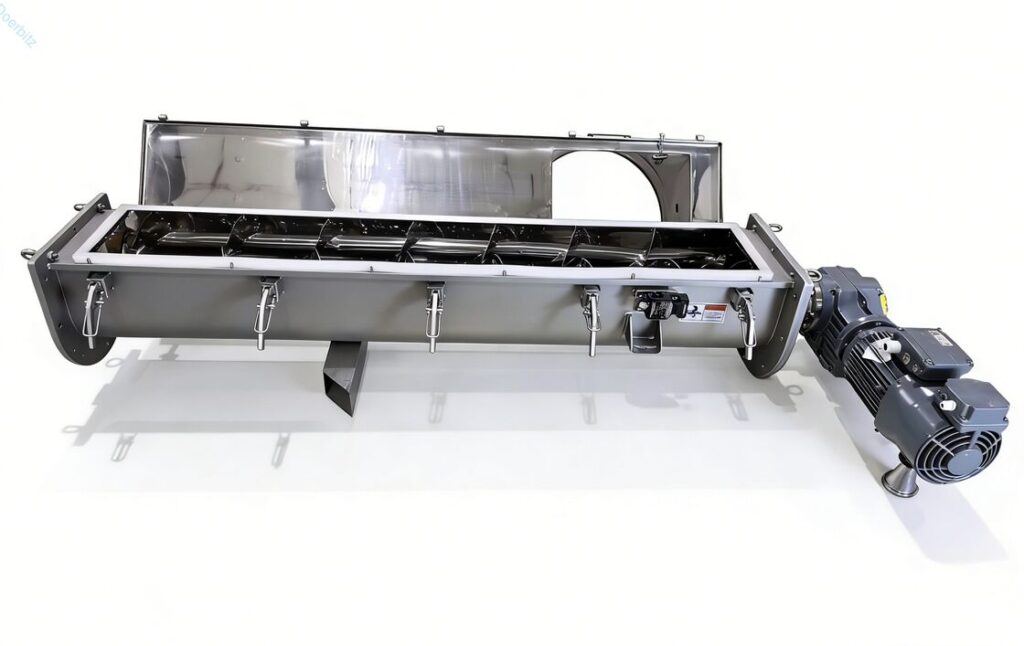
A Doebritz, collaboriamo da anni con le aziende del settore alimentare. Abbiamo ascoltato le loro lamentele riguardo a intasamenti nascosti, difficoltà di pulizia e fermi macchina imprevisti. Ecco perché il nostro trasportatore a coclea a canale a U “Easy Cleaning” è stato progettato specificamente per la movimentazione di polveri di qualità alimentare.
Facile da pulire e veloce da smontare
Il nostro canale a U è dotato di morsetti a sgancio rapido che consentono a un solo operatore di rimuovere il coperchio in meno di 30 secondi. Per l’ispezione standard non sono necessari attrezzi. Le superfici interne lisce sono rifinite con una rugosità Ra < 0,8 μm utilizzando acciaio inossidabile SUS304 o SUS316L. Questa finitura a specchio impedisce l’adesione della polvere e soddisfa rigorosi standard igienico-sanitari. Il risultato è un trasportatore di polvere per uso alimentare che è possibile pulire, ispezionare e documentare in una frazione del tempo richiesto dai modelli tubolari.
Trasporto stabile senza intasamenti
Utilizziamo coclee progettate con precisione, con rapporti ottimali tra passo e diametro per le polveri alimentari. Il design delle spirali riduce al minimo lo sforzo di taglio, preserva la granulometria delle particelle e previene la formazione di ponti. In combinazione con la canalina a U aperta, qualsiasi flusso irregolare è immediatamente visibile. Molti clienti segnalano l’assenza totale di arresti non programmati dovuti a ostruzioni dopo il passaggio al nostro sistema a canalina a U.
Versatilità in tutte le applicazioni
Questo trasportatore di polveri per uso alimentare funziona perfettamente sia come unità di trasferimento autonoma sia come modulo di alimentazione per sistemi di trasporto pneumatico. È in grado di trattare qualsiasi tipo di prodotto, dallo zucchero a velo più fine ai cereali in granuli. L'intervallo di temperatura di esercizio compreso tra -10 °C e 150 °C e l'intervallo di pressione compreso tra -0,5 e 2 bar lo rendono compatibile con la maggior parte degli ambienti di lavorazione alimentare.
| Caratteristica | Valore della canaletta a U di Doebritz |
| Capacità volumetrica massima | 634 L/min |
| Finitura superficiale | Ra < 0,8 μm (grado igienico) |
| Opzioni relative ai materiali | SUS304 / SUS316L |
| Rimozione della copertura | Fissaggio rapido, senza attrezzi |
| Tempo di pulizia tipico (cambio di turno) | 15 e 20 minuti |
Come scegliere il trasportatore a polvere per uso alimentare
Non sai ancora quale direzione prendere? Rispondi a queste quattro domande:
Quante modifiche ai prodotti effettui ogni settimana?
- Più di 3 modifiche → Si raccomanda vivamente l'uso della forma a U.
- Un solo prodotto per mesi → il formato tubolare potrebbe essere accettabile se il contenimento è fondamentale.
Qual è il tuo livello di rischio di allergeni o di contaminazione incrociata?
- Elevato (ad es. linee senza glutine, senza frutta a guscio) → scegliere una vasca a U accessibile per garantire una pulizia conforme alle norme.
Hai bisogno di verificare visivamente il flusso della polvere durante la produzione?
- Sì → Il profilo a U garantisce una visibilità diretta. Quello tubolare no.
Qual è il vostro budget per la manutenzione e i pezzi di ricambio?
- Budget ridotto / manutenzione interna → Il canale a U garantisce costi prevedibili.
Se l’igiene, la flessibilità e la disponibilità operativa sono fattori importanti per la vostra linea di lavorazione alimentare – e quasi sempre lo sono – il design a U rappresenta l’investimento più intelligente.
Conclusione
La scelta di un trasportatore per polveri per uso alimentare va oltre il semplice spostamento del materiale da A a B. Influisce direttamente sull’efficienza della pulizia, sulla stabilità della produzione e sui costi di manutenzione. Il confronto tra i trasportatori a U e quelli a coclea tubolari evidenzia un quadro chiaro: per la maggior parte delle applicazioni con polveri alimentari, il design a U offre una pulizia più agevole, una migliore visibilità del flusso, minori interventi di manutenzione e una maggiore versatilità. I trasportatori tubolari, pur essendo completamente chiusi, comportano rischi nascosti di intasamento e difficoltà di pulizia che superano i vantaggi in termini di contenimento nella tipica lavorazione alimentare.
Il Trasportatore a coclea a canale a U “Easy Cleaning” di Doebritz incarna questa filosofia pratica. Combina facilità di pulizia, trasporto di precisione e una robusta struttura in acciaio inossidabile, il tutto pensato appositamente per la movimentazione di polveri alimentari. Non è necessario scendere a compromessi tra produttività e sicurezza.
Sei pronto a semplificare il trasporto delle polveri o hai bisogno di aiuto per confrontare le diverse soluzioni progettuali adatte alla tua ricetta specifica? Contattate oggi stesso Doebritz per una consulenza senza impegno. Possiamo fornirvi un confronto dei tempi di pulizia, un sopralluogo o una scheda tecnica su misura per la vostra applicazione nel settore delle polveri alimentari. Richiedete un preventivo o una dimostrazione di smontaggio del campione: vi mostreremo quanto possano essere semplici la pulizia e il trasporto stabile.
Scrivici all'indirizzo e-mail sales@rotaryvalveco.com oppure lascia un messaggio. Visita la nostra pagina dedicata ai prodotti: Trasportatore a coclea a U “Doebritz China Easy Cleaning” per il trasporto stabile.