



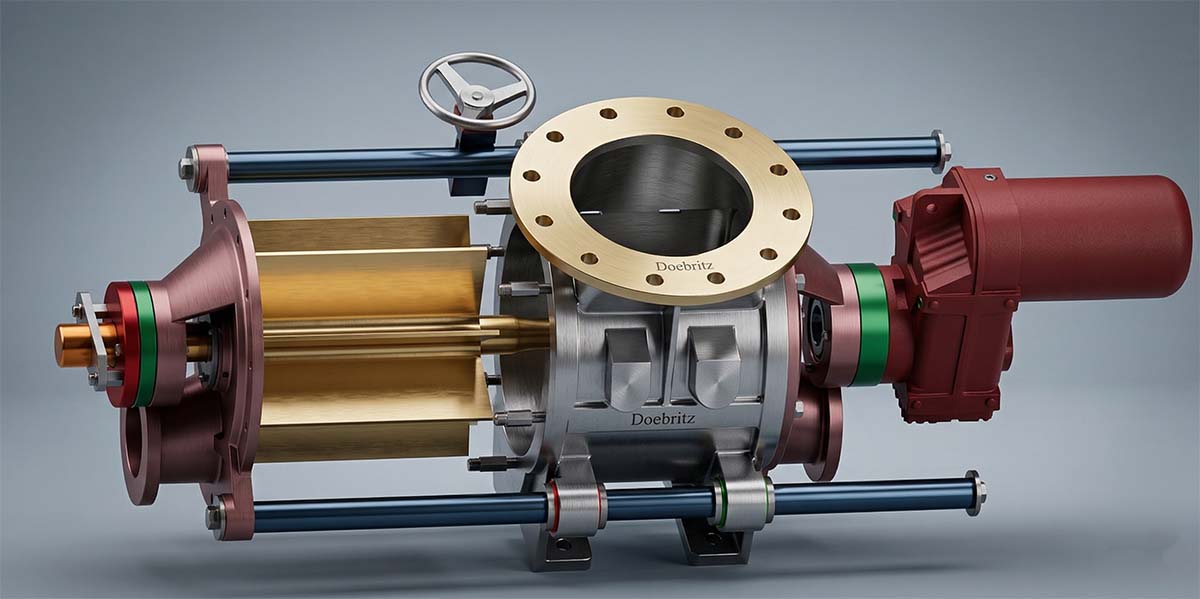
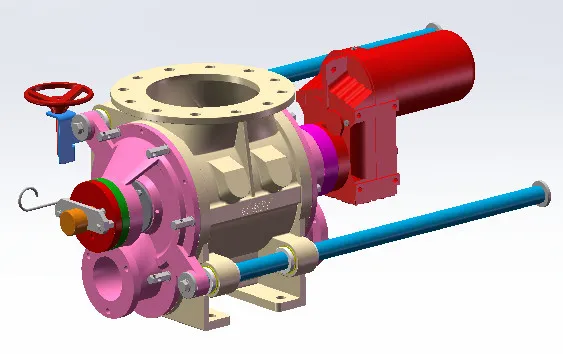


In molti impianti di lavorazione delle polveri, i guasti alle apparecchiature raramente iniziano con un malfunzionamento grave. Più spesso, hanno origine da piccoli problemi di manutenzione che gli operatori tendono a trascurare durante i cicli di produzione più intensi. Un ugello CIP parzialmente ostruito, un accumulo di materiale attorno alla valvola di scarico o l’usura graduale dell’agitatore a nastro possono ridurre lentamente l’uniformità della miscelazione molto prima che qualcuno si accorga di un problema rilevabile.
Per i produttori che trattano polveri alimentari, ingredienti farmaceutici, sostanze chimiche o materiali speciali, queste piccole inefficienze si traducono rapidamente in costi elevati. Tempi di miscelazione più lunghi aumentano il consumo energetico. Una pulizia incompleta comporta rischi di contaminazione. Una qualità di miscelazione instabile porta al rifiuto dei lotti e a ritardi nella produzione.
Ecco perché la manutenzione quotidiana non è semplicemente una routine tecnica, ma fa parte della gestione dell'efficienza produttiva.
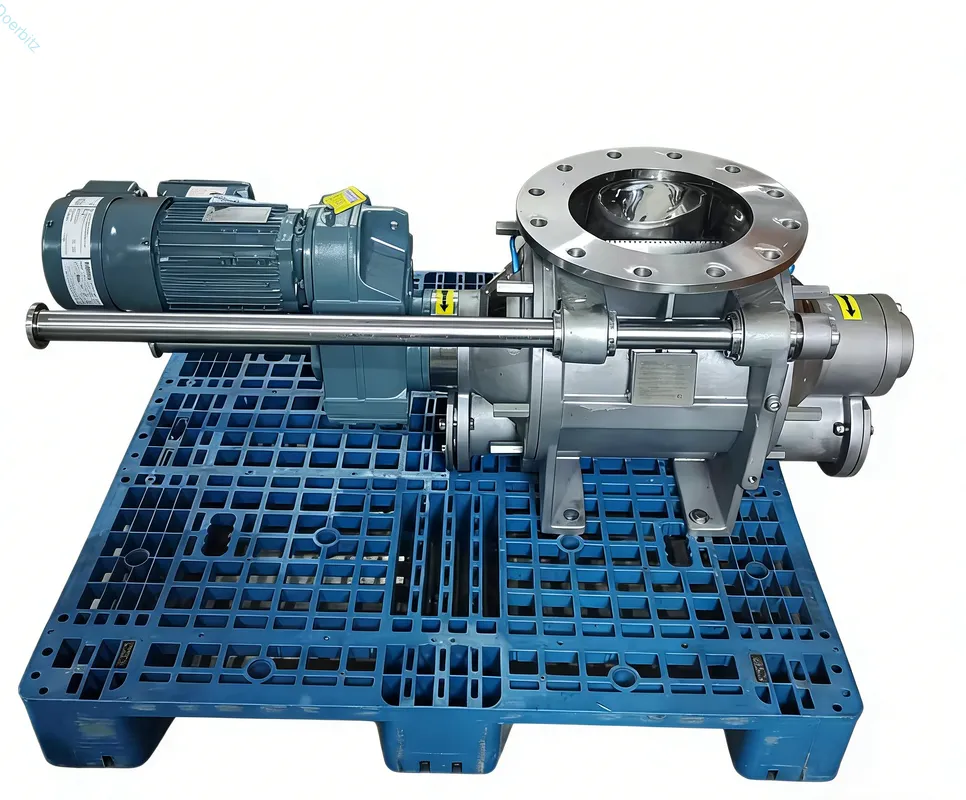
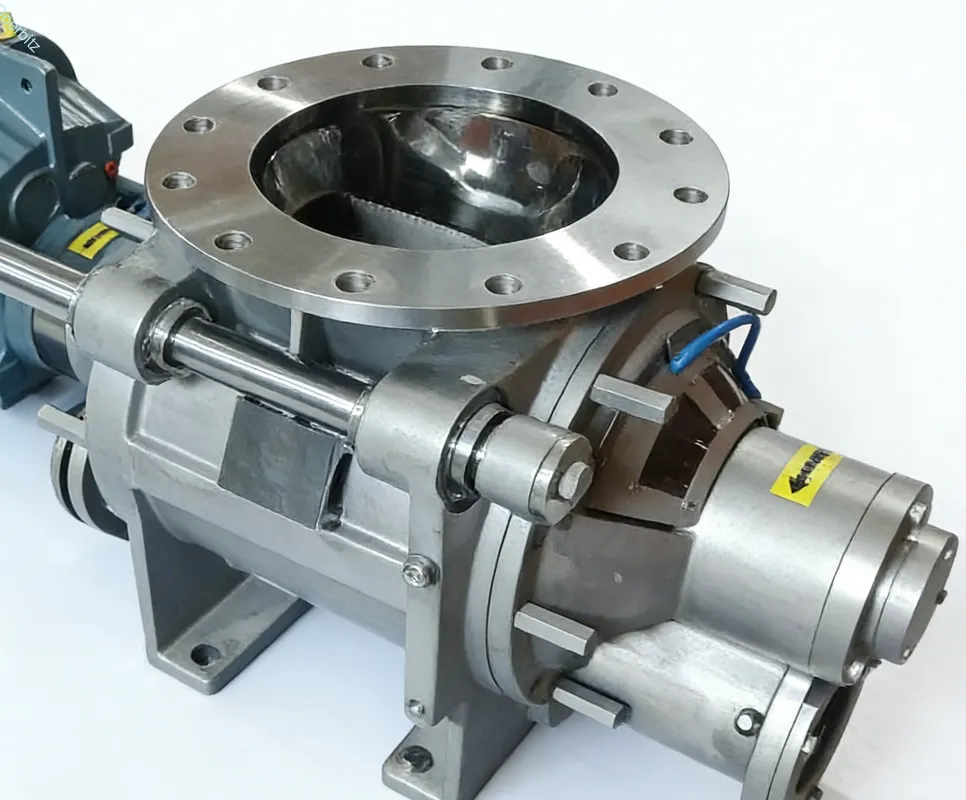
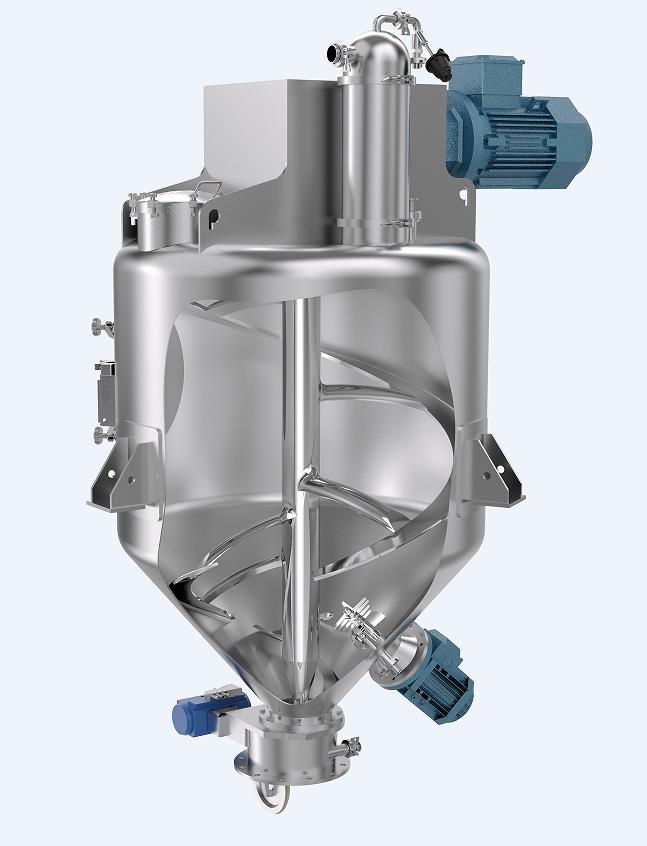
I moderni miscelatori industriali per polveri sono sempre più spesso progettati per ridurre tali oneri di manutenzione. Il miscelatore a nastro verticale da Doebritz combina diverse caratteristiche che contribuiscono direttamente a ridurre le esigenze di manutenzione, tra cui una struttura in acciaio inossidabile resistente alla corrosione, un sistema di pulizia CIP (Clean-In-Place) integrato, una struttura verticale salvaspazio e la tecnologia dell’agitatore a nastro che garantisce una maggiore omogeneità di miscelazione.
Anziché richiedere frequenti smontaggi e pulizie manuali, il sistema è progettato per semplificare le operazioni di routine, garantendo al contempo l'igiene e le prestazioni di miscelazione nel corso di lunghi cicli produttivi.
Perché la manutenzione quotidiana è più importante di quanto la maggior parte delle aziende si aspetti
Un miscelatore industriale per polveri è sottoposto a sollecitazioni meccaniche costanti. Le polveri generano attrito, le particelle fini si accumulano negli angoli e i prodotti chimici aggressivi utilizzati per la pulizia possono danneggiare gradualmente le superfici interne se impiegati in modo improprio.
Secondo il Dipartimento dell’Energia degli Stati Uniti, pratiche di manutenzione inadeguate possono ridurre l’efficienza delle attrezzature industriali fino al 20%.
Per quanto riguarda in particolare le apparecchiature per la lavorazione delle polveri, la manutenzione incide contemporaneamente su diversi aspetti fondamentali:
| Area manutenzione | Impatto operativo |
| Stato dell'agitatore a nastro | Uniformità della miscelazione e costanza dei lotti |
| Prestazioni del sistema CIP | Rispetto delle norme igieniche ed efficacia della pulizia |
| Integrità dell'acciaio inossidabile | Prevenzione della corrosione e sicurezza dei prodotti |
| Lubrificazione della trasmissione | Efficienza energetica e durata delle apparecchiature |
| Calibrazione dei parametri | Produzione stabile |
Quando la manutenzione viene effettuata con regolarità, gli operatori riscontrano in genere:
- Riduzione dei tempi di fermo non programmati
- Prestazioni di miscelazione più stabili
- Costi di manodopera inferiori per i servizi di pulizia
- Maggiore durata dei componenti critici
- Maggiore rispetto delle norme igieniche
Ciò assume particolare importanza nei settori in cui il controllo della contaminazione è soggetto a normative rigorose, come l'industria alimentare e quella farmaceutica.
Creare una routine pratica di manutenzione quotidiana
I programmi di manutenzione più efficaci non sono eccessivamente complicati. Anzi, le procedure migliori sono spesso così semplici da poter essere integrate nelle normali procedure di turno.
Nel caso di un miscelatore industriale a nastro verticale per polveri, il ciclo di manutenzione può essere generalmente suddiviso in interventi giornalieri, settimanali, mensili e annuali.
1. Manutenzione quotidiana dopo lo spegnimento
L'ispezione quotidiana richiede in genere solo 5-10 minuti, ma svolge un ruolo fondamentale nella prevenzione di guasti più gravi in futuro.
Gli operatori dovrebbero iniziare pulendo le superfici esterne del miscelatore per rimuovere gli accumuli di polvere residua. Sebbene le superfici in acciaio inossidabile siano resistenti alla corrosione, lasciare residui di materiale per periodi prolungati può comunque causare problemi igienico-sanitari o di ritenzione dell’umidità.
Il sistema CIP dovrebbe inoltre essere controllato immediatamente dopo il funzionamento per garantire una pressione di alimentazione dell'acqua stabile, tubazioni di scarico libere da ostruzioni, ugelli di spruzzatura che funzionino in modo uniforme e l'assenza di perdite visibili in corrispondenza di tutti i punti di collegamento.
Allo stesso tempo, è necessario ispezionare le aperture di alimentazione e di scarico per verificare che non vi siano residui di materiale intrappolati. L’accumulo di polvere in prossimità delle valvole di scarico è una delle cause più comuni di miscelazione non uniforme e di contaminazione tra lotti.
Poiché il Doebritz miscelatore a nastro verticale Grazie all'integrazione di un sistema CIP direttamente nella struttura dell'apparecchiatura, gli operatori possono eseguire la maggior parte delle operazioni di pulizia senza dover smontare la macchina. Ciò riduce notevolmente i tempi di pulizia manuale, minimizzando al contempo i rischi di contaminazione causati dai ripetuti smontaggi.
2. La manutenzione settimanale si concentra sulla stabilità meccanica
Una volta stabilita la routine quotidiana di base, la manutenzione settimanale si concentra sui componenti mobili e sulla stabilità strutturale.
L'agitatore a nastro merita particolare attenzione poiché influisce direttamente determina l'uniformità della miscelazione. Gli operatori devono verificare l'usura delle pale, la stabilità dell'allineamento, la deformazione della superficie e l'accumulo di materiale intorno alle sezioni rotanti.
Un agitatore a nastro usurato spesso causa problemi impercettibili prima che si verifichi un guasto evidente. Il tempo di miscelazione può aumentare gradualmente, mentre la consistenza della polvere diventa meno uniforme da un lotto all’altro.
La lubrificazione dei componenti della trasmissione è altrettanto importante. I cuscinetti, i motori e i gruppi di trasmissione devono funzionare in modo fluido, senza vibrazioni eccessive né aumenti di temperatura.
Durante le ispezioni settimanali, i tecnici dovrebbero inoltre verificare la tenuta dell'alloggiamento in acciaio inossidabile e dei collegamenti strutturali. Le vibrazioni continue durante il funzionamento possono allentare gradualmente i dispositivi di fissaggio nel corso del tempo.
Il sistema CIP dovrebbe quindi essere sottoposto a un test di efficacia della pulizia per verificare che tutte le aree di spruzzatura siano adeguatamente coperte.
3. La manutenzione mensile aiuta a prevenire danni a lungo termine
Le ispezioni mensili non mirano tanto alla pulizia quanto piuttosto a individuare i primi segni di deterioramento.
In questa fase, i tecnici solitamente ispezionano internamente i componenti critici senza smontare l'intera struttura CIP. L'obiettivo è individuare l'usura prima che incida sulle prestazioni produttive.
Le principali aree di ispezione includono:
| Componente | Finalità dell'ispezione |
| Superfici in acciaio inossidabile | Rilevare la corrosione o i danni causati da sostanze chimiche |
| Agitatore a nastro | Valutare l'usura e l'equilibratura rotazionale |
| Parametri di controllo | Mantenere una consistenza di miscelazione accurata |
| Ugelli a spruzzo CIP | Rimuovere eventuali ostruzioni causate da minerali o polvere |
| Guarnizioni e guarnizioni di tenuta | Prevenire perdite e contaminazioni |
Sebbene l’acciaio inossidabile offra un’elevata resistenza alla corrosione, con il passare del tempo i detergenti non compatibili possono comunque danneggiare gli strati protettivi della superficie. I prodotti chimici ad alto contenuto di cloruri sono particolarmente rischiosi per le apparecchiature di lavorazione dell’acciaio inossidabile. Per questo motivo, Si raccomanda vivamente l'uso di detergenti per uso alimentare e compatibili con l'acciaio inossidabile.
Il ciclo di manutenzione mensile rappresenta inoltre il momento ideale per ricalibrare i parametri di miscelazione. Densità della polvere, livelli di umidità e dimensioni delle particelle diversi potrebbero richiedere adeguamenti della velocità di rotazione o della durata della miscelazione.
4. La manutenzione annuale dovrebbe essere considerata come un ripristino delle prestazioni
Anche i miscelatori industriali a polvere, pur essendo estremamente resistenti, richiedono una manutenzione periodica e completa.
La manutenzione annuale comprende generalmente la sostituzione delle parti soggette a usura, l'ispezione completa della trasmissione, la calibrazione del sistema CIP, la verifica dell'allineamento dell'agitatore, l'ispezione dell'impianto elettrico e la valutazione dell'integrità strutturale.
Questo processo ripristina la precisione operativa, riducendo al contempo il rischio di guasti meccanici gravi durante i periodi di picco produttivo.
Per gli impianti che operano ininterrottamente durante tutto l'anno, la pianificazione della manutenzione annuale risulta spesso più conveniente rispetto alle riparazioni d'emergenza causate da fermi imprevisti.
Problemi comuni nei miscelatori industriali di polveri e relative soluzioni
Anche i sistemi sottoposti a una corretta manutenzione possono occasionalmente presentare problemi operativi. La differenza sta nel fatto che le apparecchiature sottoposte a una corretta manutenzione consentono agli operatori di individuare e risolvere i problemi molto più rapidamente.
1. Guasto del sistema CIP
Tra i problemi più comuni legati al CIP figurano:
| Problema | Possibile causa | Soluzione |
| Mancanza di acqua | Guasto alla pompa o ostruzione della valvola | Controllare i collegamenti della pompa e delle tubazioni |
| Pulizia incompleta | Ugello di spruzzo ostruito | Pulire o sostituire l'ugello |
| Temperatura dell'acqua anomala | Malfunzionamento dell'impianto di riscaldamento | Controllare il regolatore di temperatura |
| Perdita d'acqua | Deterioramento della guarnizione | Sostituire le guarnizioni danneggiate |
Una pulizia incompleta si manifesta solitamente in modo graduale. Se gli operatori notano cicli di pulizia più lunghi o residui visibili di polvere dopo la pulizia, l’ostruzione degli ugelli è spesso il primo elemento da controllare.
2. Problemi relativi all'agitatore a nastro
L'agitatore a nastro è il componente fondamentale del sistema di miscelazione, pertanto le variazioni nelle sue prestazioni incidono direttamente sulla qualità della produzione.
Tra i problemi più comuni figurano:
| Problema | Probabile causa | Azione consigliata |
| Miscelazione non uniforme | Usura delle lame o incompatibilità dei parametri | Sostituire le lame e ricalibrare le impostazioni |
| Rumore anomalo | Danni ai cuscinetti o componenti allentati | Controllare l'impianto di trasmissione |
| Agitatore bloccato | Agglomerazione del materiale | Rimuovere i depositi e controllare il sistema di regolazione dell'umidità |
I materiali agglomerati sono particolarmente frequenti quando le polveri assorbono umidità durante lo stoccaggio o la lavorazione. In questi casi, l’agitatore incontra una resistenza aggiuntiva, che aumenta il carico sul motore e il consumo energetico.
3. Danni alla superficie dell'acciaio inossidabile
Sebbene l'acciaio inossidabile sia estremamente resistente, una manutenzione inadeguata può comunque causare corrosione o deformazioni.
Tra le cause più comuni figurano l'uso di prodotti chimici per la pulizia incompatibili, l'esposizione prolungata a materiali corrosivi, un impatto meccanico eccessivo e un'asciugatura inadeguata dopo la pulizia. L'utilizzo di soluzioni detergenti per uso alimentare e l'adozione di adeguate procedure di asciugatura riducono significativamente il rischio di corrosione.
Per le applicazioni alimentari e farmaceutiche, preservare l'integrità dell'acciaio inossidabile è fondamentale anche ai fini della conformità alle norme igienico-sanitarie.
La scelta dei detergenti giusti è più importante di quanto molti operatori credano
Uno degli errori di manutenzione più spesso trascurati è l'uso di prodotti chimici detergenti aggressivi che, nel tempo, danneggiano le attrezzature. Una soluzione detergente deve sempre essere compatibile con le superfici in acciaio inossidabile, le tubazioni CIP, gli ugelli di spruzzatura e le guarnizioni in gomma.
I detergenti eccessivamente acidi o ricchi di cloruro possono indebolire gradualmente gli strati di passivazione dell'acciaio inossidabile, causando alla fine macchie di corrosione o scolorimento della superficie. Secondo il Nickel Institute’Secondo le raccomandazioni sulla manutenzione dell’acciaio inossidabile, l’esposizione ai cloruri è uno dei principali fattori che contribuiscono alla corrosione dell’acciaio inossidabile negli ambienti industriali.
L'uso di prodotti detergenti approvati dal produttore rappresenta solitamente la strategia più sicura nel lungo periodo.
La sicurezza durante gli interventi di manutenzione non va mai trascurata
Gli interventi di manutenzione vengono spesso effettuati durante i periodi di massima attività produttiva, il che aumenta la tentazione di ignorare le procedure di sicurezza. Tuttavia, i miscelatori industriali per polveri contengono sistemi meccanici rotanti, componenti elettrici e sistemi di pulizia in pressione che richiedono un'attenta gestione.
Prima di iniziare gli interventi di manutenzione, gli operatori devono scollegare l'alimentazione elettrica, scaricare la pressione interna, verificare che l'agitatore si sia completamente arrestato, indossare i dispositivi di protezione adeguati e seguire le corrette procedure di manipolazione delle sostanze chimiche.
Le scorciatoie adottate durante la manutenzione spesso comportano costi di riparazione più elevati in seguito.
Perché i ricambi originali consentono solitamente di risparmiare di più nel lungo periodo
Alcune strutture cercano di ridurre i costi installando componenti di ricambio generici. Sebbene ciò possa comportare una riduzione delle spese a breve termine, spesso causa problemi di compatibilità o instabilità delle prestazioni.
I ricambi originali sono progettati specificamente per le tolleranze operative del miscelatore, i requisiti di portata CIP e le caratteristiche di bilanciamento dell'agitatore.
Per sistemi come il Doebritz Nel caso dei miscelatori a nastro verticali, garantire una compatibilità precisa dei componenti contribuisce a preservare l’efficienza di miscelazione, le prestazioni di pulizia, la stabilità strutturale e il rispetto delle norme igieniche.
In pratica, un abbinamento affidabile dei componenti consente solitamente di ridurre i costi totali di manutenzione nel corso dell'intero ciclo di vita delle apparecchiature.
Conclusione
Un miscelatore industriale per polveri non è solo una macchina per la miscelazione: è una risorsa produttiva fondamentale che incide direttamente sull’efficienza, sull’igiene e sull’uniformità del prodotto.
La buona notizia è che la maggior parte dei guasti gravi è prevenibile. Un programma di manutenzione strutturato, abbinato a corrette pratiche di pulizia, può ridurre drasticamente i tempi di fermo macchina, prolungando al contempo la durata delle attrezzature.
Grazie alla sua struttura in acciaio inossidabile, al sistema di pulizia CIP integrato e all’efficiente design dell’agitatore a nastro, il Doebritz miscelatore a nastro verticale è progettato per semplificare la manutenzione, garantendo al contempo un'affidabilità operativa a lungo termine in applicazioni nei settori alimentare, farmaceutico, chimico e delle polveri industriali.
Per i produttori che desiderano ridurre i costi di manutenzione, accelerare i cicli di pulizia e ottenere prestazioni di miscelazione più stabili, la manutenzione preventiva non è più un’opzione. È fondamentale per rimanere competitivi.
Vuoi migliorare l'efficienza delle operazioni di pulizia e ridurre i tempi di fermo per manutenzione nella tua linea di lavorazione delle polveri?
Scopri le soluzioni industriali per la miscelazione di polveri offerte da Doebritz oppure contatta il team tecnico per discutere della pianificazione della manutenzione, dell’ottimizzazione del CIP e dell’assistenza nella configurazione dei miscelatori per la vostra applicazione.