



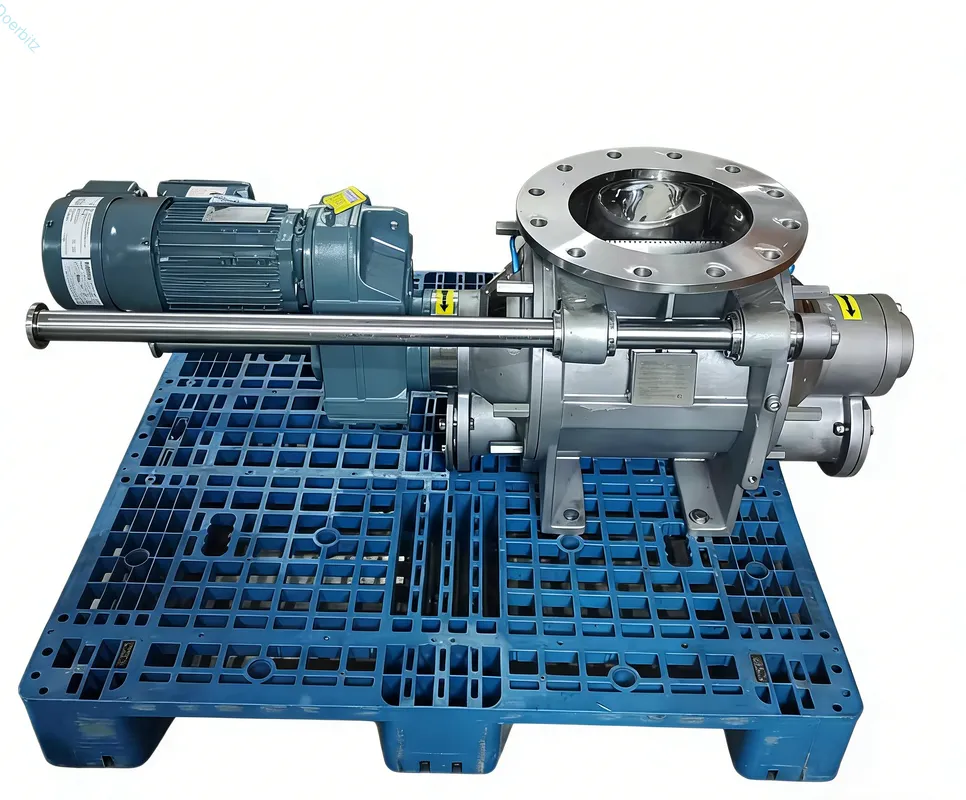
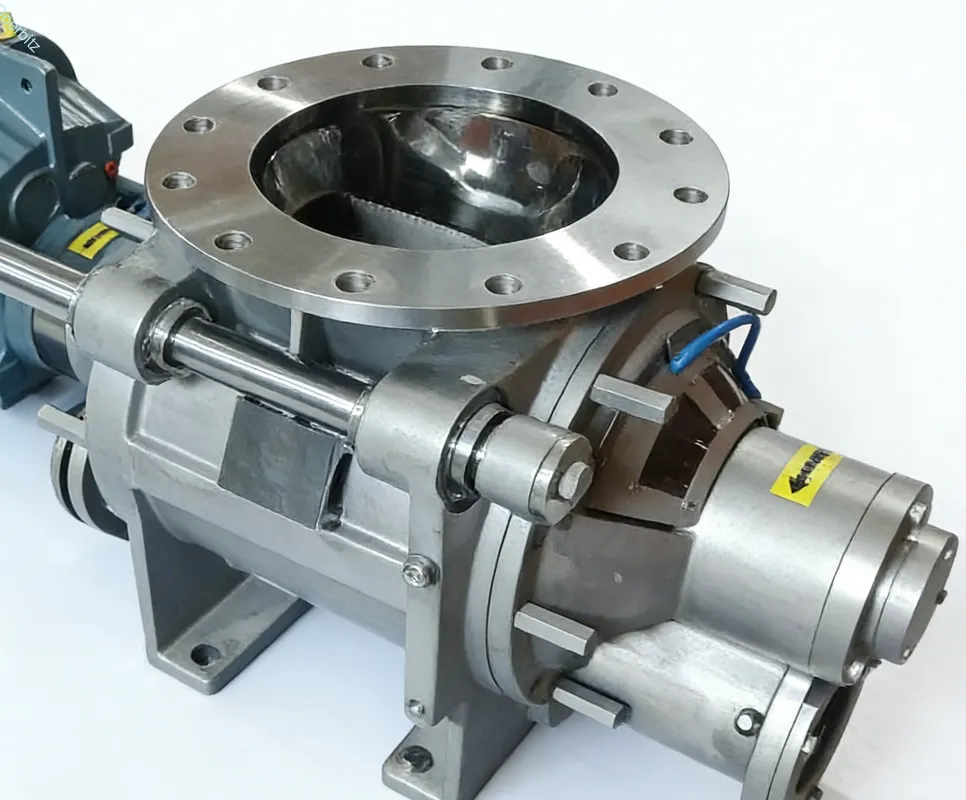

A experiência da Doebritz em matéria de segurança de válvulas
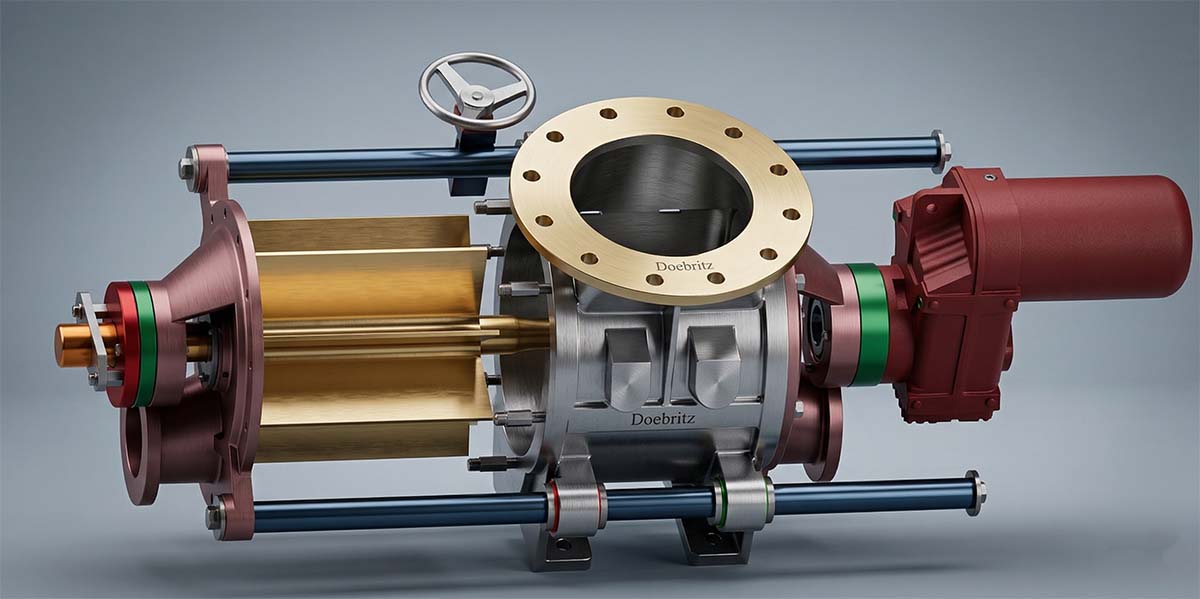
Doebritz é um fabricante profissional de válvulas rotativas utilizadas no manuseamento de pós. Ao longo de várias décadas, temos trabalhado arduamente para desenvolver a engenharia mecânica necessária para proteger as instalações industriais de incidentes perigosos relacionados com poeiras combustíveis. Sabemos que o manuseamento de materiais voláteis não se resume simplesmente a deslocar um produto de uma fase do processo para outra. Trata-se de garantir total segurança operacional em cada etapa. O nosso foco diário é a construção de equipamentos fiáveis que cumpram rigorosas normas internacionais de segurança. Através de anos de experiência prática em fabrico, proporcionamos conhecimento real do setor a engenheiros de fábrica, responsáveis pela conformidade de segurança e integradores de sistemas que enfrentam o difícil desafio de manter as suas linhas de produção seguras.
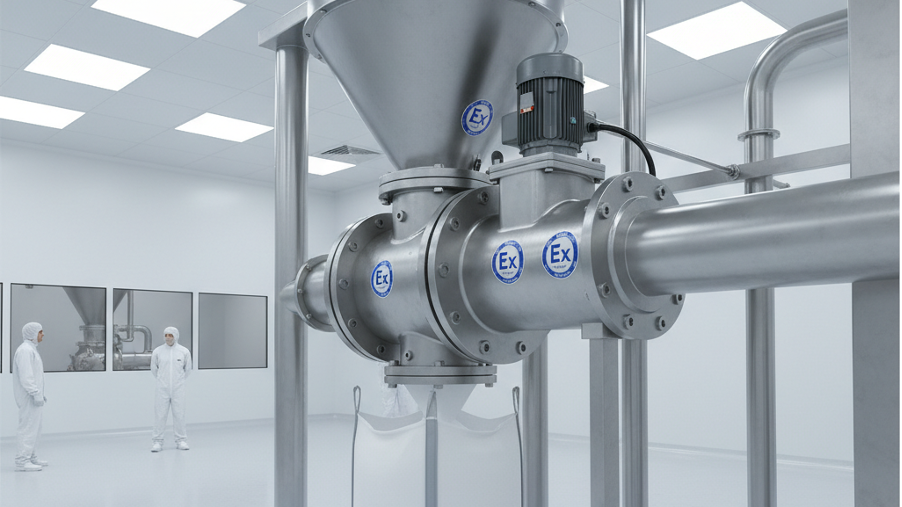
Compreender os requisitos da certificação ATEX relativos à proteção contra explosões das válvulas rotativas de bloqueio de ar é absolutamente essencial quando se trabalha em ambientes perigosos. Concebemos cada unidade com grande cuidado para que funcione como uma barreira de segurança fiável, garantindo que a proteção contra explosões da válvula de bloqueio de ar está integrada diretamente na estrutura mecânica do sistema. As nossas normas de fabrico fundamentais dão prioridade a tolerâncias de vazamento zero, à integridade de caixas resistentes e à segurança operacional contínua em condições de pressão extrema. Ao partilhar o nosso conhecimento, pretendemos colmatar a lacuna entre as complexas normas regulamentares e o trabalho mecânico prático no chão de fábrica. A combinação de componentes especializados requer um profundo conhecimento da ciência dos materiais e do comportamento de fluidos e gases. Testamos constantemente os nossos projetos nas situações mais severas envolvendo poeiras combustíveis, para garantir que os nossos clientes recebem soluções que funcionam de forma fiável quando mais importa.
Zonas de certificação ATEX e seleção de válvulas
Lidar com as complexidades das normas de conformidade significa transformar regras legais em especificações mecânicas precisas. Quando concebemos soluções para diferentes ambientes de trabalho, não nos limitamos a analisar a forma como as áreas de risco são definidas. Estudamos como as características específicas de um pó ou partícula determinam todas as dimensões do equipamento que fabricamos. A obtenção de uma proteção fiável contra explosões nas câmaras de compensação depende fundamentalmente da adequação das propriedades físicas do equipamento à classificação tanto do ambiente circundante como do ambiente interno.
Por exemplo, as atmosferas combustíveis são agrupadas com base na frequência e na duração da presença de um perigo. No interior do equipamento de processamento, onde o pó flutua continuamente no ar, o risco atinge o seu nível mais elevado. Isto exige folgas extremamente reduzidas entre as pontas do rotor e a parede da carcaça, para impedir a propagação das chamas. Os materiais utilizados na carcaça também devem ser escolhidos com cuidado. O ferro fundido padrão pode ser aceitável para zonas não perigosas, mas o pó orgânico ou metálico altamente reativo requer frequentemente aço inoxidável de alta qualidade. Isto evita a formação de faíscas mecânicas e permite que a carcaça suporte choques de pressão repentinos. Além disso, os sistemas de vedação em torno do eixo rotativo devem separar completamente os rolamentos do produto que flui através da válvula.
Apresentamos a seguir uma descrição detalhada de como adaptamos as nossas especificações de fabrico a estas classificações de áreas perigosas:
| Classificação de zonas ATEX | Frequência do risco | Especificações das válvulas Doebritz | Material da caixa | Método de isolamento dos rolamentos |
| Zona 20 (Interna) | Períodos contínuos/longos | Folga na ponta do rotor < 0,2 mm, caixa à prova de chamas | Aço inoxidável reforçado | Juntas de PTFE de dupla lábia com purga de ar |
| Zona 21 (Externa) | Funcionamento ocasional | Tratamentos antiestáticos de superfície, pontas de latão que não produzem faíscas | Ferro fundido ou aço inoxidável | Vedantes de labirinto com rolamentos externos |
| Zona 22 (Externa) | Raro/De curta duração | Distâncias de segurança padrão com caixas à prova de poeira | Ferro fundido | Rolamentos externos padrão |
Os requisitos para as zonas internas são sempre os mais rigorosos. Quando o produto cai pela entrada, as cavidades do rotor transformam-se em câmaras seladas. Se uma fonte de ignição entrar no sistema, a válvula deve conter a onda de pressão resultante e impedir que a chama atinja a tremonha a montante ou a linha de transporte pneumático a jusante. Os requisitos para as zonas externas centram-se principalmente em impedir que o próprio equipamento se torne uma fonte de ignição devido ao atrito, à descarga eletrostática ou ao sobreaquecimento dos rolamentos. Utilizamos polímeros antiestáticos especializados e componentes metálicos usinados com precisão para garantir que o nosso equipamento se mantenha termicamente estável e com ligação à terra em todos os momentos. Além disso, o grupo específico de explosão de poeira de um material tem uma forte influência nas nossas decisões de engenharia. A poeira condutora requer procedimentos rigorosos de ligação à terra e designs específicos de rotores que não produzam faíscas, para eliminar qualquer possibilidade de acumulação de carga eletrostática.
Métodos de cálculo do dimensionamento dos sistemas de ventilação de deflagração
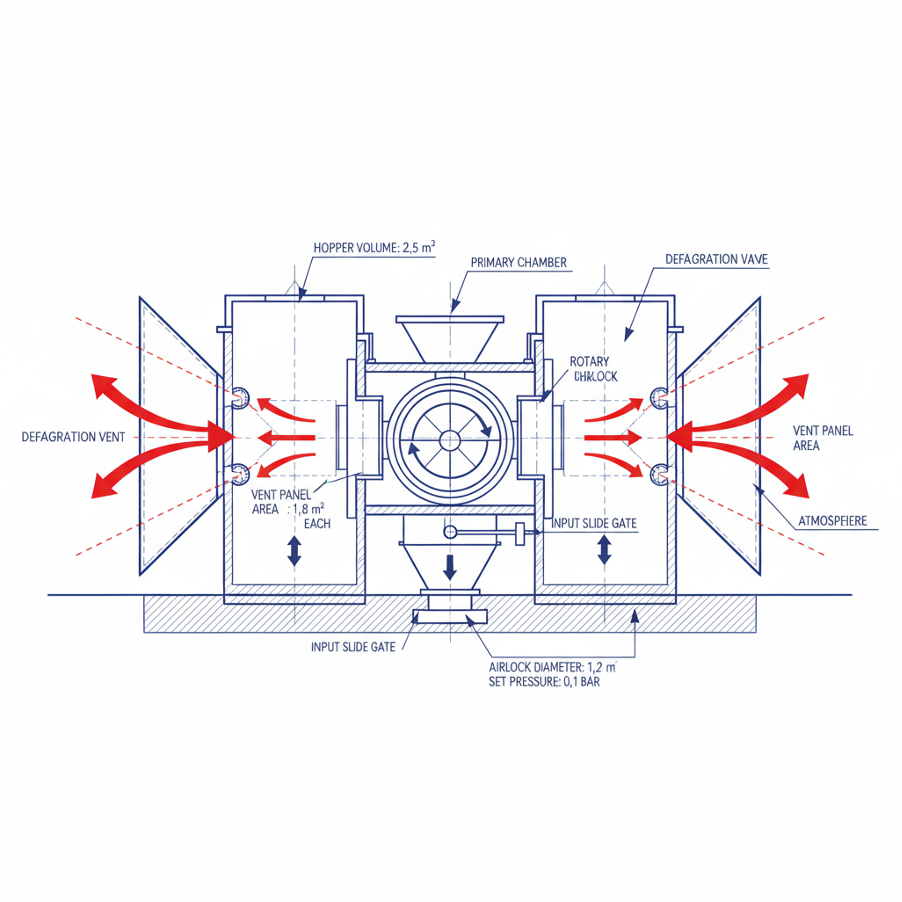
Para além da conformidade de cada equipamento individual, devemos considerar todo o sistema de proteção que envolve o processo de manuseamento de materiais. Um dispositivo de isolamento perfeitamente concebido só é eficaz quando o sistema global está projetado para lidar com picos repentinos de pressão de forma segura. Isto leva-nos a uma fase crítica da conceção do sistema, em que os engenheiros têm de determinar os parâmetros exatos necessários para libertar pressões explosivas antes que estas prejudiquem a integridade estrutural das instalações. Realizar um cálculo preciso do dimensionamento do sistema de ventilação de deflagração do alimentador com câmara de ar para poeiras industriais é um requisito fundamental para a segurança da unidade.
Durante um evento de ignição repentina, a unidade rotativa atua como uma barreira mecânica, impedindo que a frente de chama e a onda de pressão se propaguem pela rede de condutas. No entanto, os gases em rápida expansão precisam de um local para onde se dirigirem. O sistema de ventilação foi concebido para se abrir a uma pressão definida, direcionando a bola de fogo e a onda de choque de forma segura para o exterior ou para uma zona de contenção designada. Para conceber este sistema corretamente, baseamo-nos em modelos matemáticos específicos e em dados de ensaio recolhidos a partir do produto exato que está a ser processado.
Os métodos de cálculo envolvem várias variáveis importantes que descrevem o grau de violência que uma potencial explosão poderia atingir e a resistência que o recipiente deve ter:
- Kst (Constante de Explosão de Pó): Este valor indica a taxa máxima normalizada de aumento da pressão. Indica a rapidez com que uma explosão se desenvolverá e afeta diretamente as dimensões que os painéis de alívio devem ter.
- Pmáx (Pressão máxima de explosão): A pressão mais elevada que o pó pode gerar no interior de um recipiente fechado. O nosso equipamento deve ser concebido para suportar uma parte significativa deste valor sem falhar.
- Pred (Pressão de explosão reduzida): A pressão máxima a que o recipiente será submetido durante uma explosão com ventilação. O dispositivo de isolamento deve estar certificado para suportar Pred mantendo, ao mesmo tempo, as suas distâncias de segurança contra incêndios.
- Pstat (Pressão de ativação estática): O nível de pressão a que o painel de alívio se abre para permitir a saída dos gases.
- V (Volume do recipiente): O volume interno total da tremonha ou do silo ligado ao mecanismo de alimentação.
Ao realizar o cálculo do dimensionamento da válvula de alívio de deflagração de um alimentador com câmara de ar para poeiras industriais, os engenheiros utilizam estas variáveis para determinar a área de alívio necessária. Se a área de alívio for demasiado pequena, a pressão interna ultrapassará os limites mecânicos do invólucro, causando uma falha catastrófica. Se a área de alívio for demasiado grande, a válvula poderá abrir demasiado cedo ou tornar a instalação mais complicada. Trabalhamos em estreita colaboração com integradores de sistemas para garantir que as capacidades de isolamento das nossas unidades correspondem perfeitamente aos valores calculados Pred da instalação global. Esta abordagem de engenharia baseada no trabalho em equipa garante que toda a rede de alimentação e contenção reaja de forma previsível durante uma emergência.
Uma história de sucesso real de uma fábrica química europeia
Para demonstrar como estes princípios de engenharia funcionam no mundo real, recorremos frequentemente à nossa vasta experiência no terreno. Um projeto recente com uma fábrica de polímeros especiais na Alemanha constitui um exemplo claro da importância de uma especificação precisa do equipamento. Esta unidade processava pós de polímeros altamente inflamáveis e enfrentava graves problemas de conformidade regulamentar durante uma auditoria de segurança de rotina. As unidades de alimentação existentes não cumpriam os rigorosos requisitos de isolamento interno da Zona 20 da ATEX. As distâncias de segurança entre as pás do rotor e a carcaça tinham-se reduzido consideravelmente com o tempo, criando um caminho direto pelo qual uma chama poderia propagar-se. Se tivesse ocorrido uma ignição, o pó de polímero poderia ter causado uma paragem catastrófica da fábrica e colocado os trabalhadores em grave risco.
A nossa equipa de apoio técnico foi chamada para identificar os riscos subjacentes e apresentar uma solução imediata e viável. Começámos por analisar minuciosamente as propriedades físicas do polímero, prestando especial atenção à sua elevada Kst valor e a sua natureza abrasiva, que tinham causado o desgaste precoce do equipamento anterior. Recalculámos os parâmetros do sistema para garantir que qualquer nova instalação funcionasse sem problemas com o seu sistema de alívio de pressão existente. Após concluir esta avaliação completa, construímos uma unidade rotativa de alta resistência, concebida especificamente para o seu processo. Aplicámos tolerâncias de maquinagem ultraprecisas para restabelecer as folgas internas necessárias e utilizámos uma caixa reforçada em aço inoxidável para suportar potenciais choques de pressão. Ao modernizar o seu sistema com a nossa engenharia especializada, a fábrica passou com sucesso na auditoria de segurança de acompanhamento, permitindo-lhes continuar a operar em segurança sem riscos adicionais para o seu calendário de produção ou para os seus colaboradores.
Sistemas industriais seguros de manuseamento de pós
Manter a segurança em ambientes de processamento de materiais voláteis exige muito mais do que a simples aquisição de componentes padrão disponíveis no mercado. Desde a compreensão dos pormenores das classificações de áreas perigosas até à aplicação de isolamento mecânico preciso e ao cálculo das áreas de alívio de pressão, cada etapa exige uma atenção cuidadosa e minuciosa. Tal como abordámos neste guia, alcançar a conformidade total e a segurança operacional depende da adequação das propriedades mecânicas dos dispositivos de isolamento ao comportamento específico dos materiais que estão a ser processados. Cada ambiente industrial apresenta o seu próprio conjunto único de desafios, o que significa que as soluções «tamanho único» muitas vezes ficam aquém das expectativas quando se lida com materiais altamente reativos ou abrasivos.
Proteger as suas instalações, os seus trabalhadores e a continuidade da produção requer uma engenharia adaptada à sua situação e apoiada por um profundo conhecimento do setor. Encorajamos os diretores de fábrica, os responsáveis pela segurança e os engenheiros de processo a adotarem uma abordagem proativa e a avaliarem as suas configurações atuais de alimentação de materiais antes que surjam problemas de conformidade ou riscos de segurança. Deixe que a nossa equipa de apoio técnico o ajude a realizar avaliações personalizadas, dimensionamentos precisos e definição das especificações do equipamento, para garantir que as suas operações permaneçam totalmente protegidas. Estamos empenhados em trabalhar consigo para conceber sistemas que não só cumpram os requisitos regulamentares mais rigorosos, mas que também ofereçam fiabilidade mecânica a longo prazo. Contacte-nos hoje mesmo para discutir as suas necessidades específicas, entrando em contacto com sales@rotaryvalveco.com, ou explore a nossa gama completa de soluções de segurança certificadas visitando o nosso página principal do produto.