



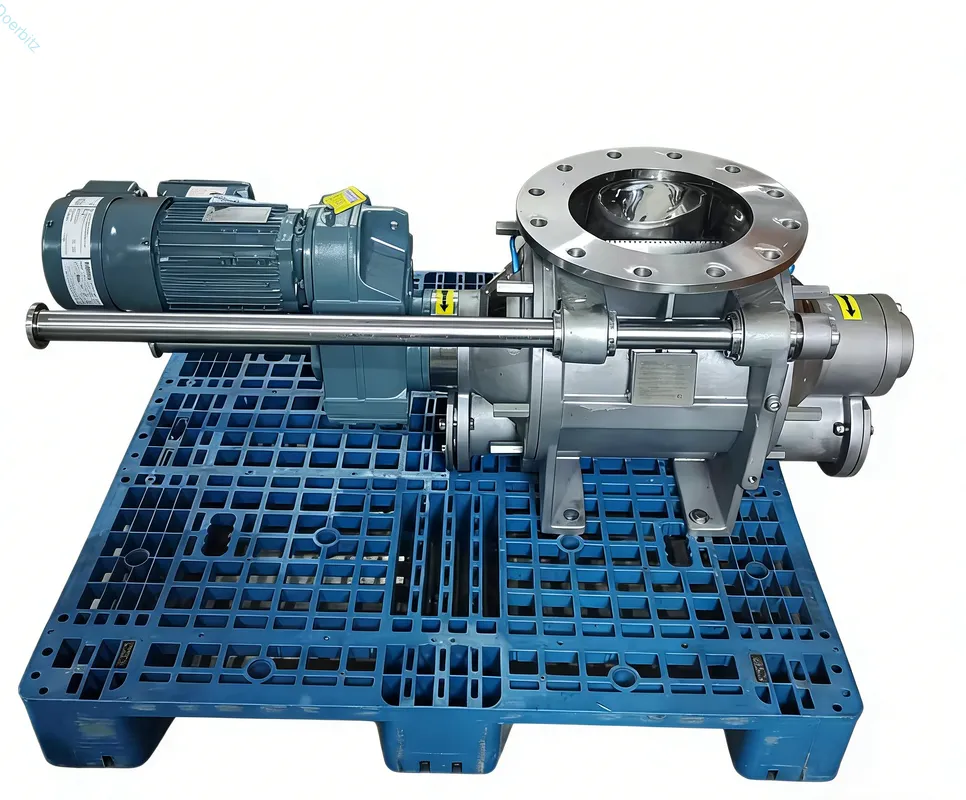
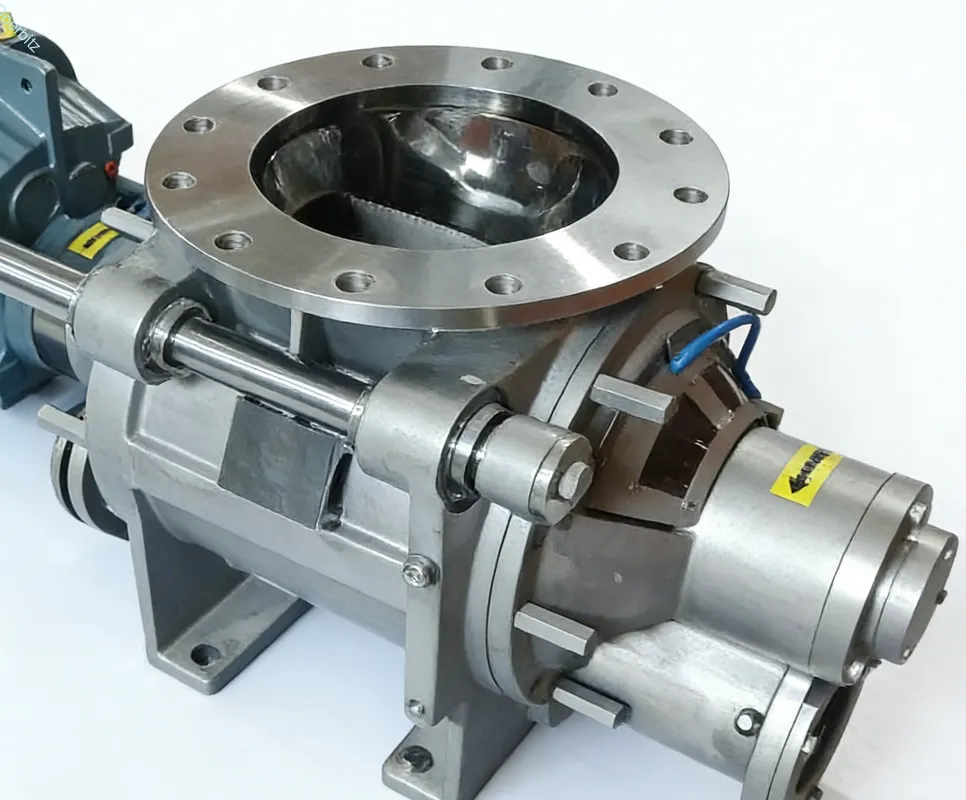
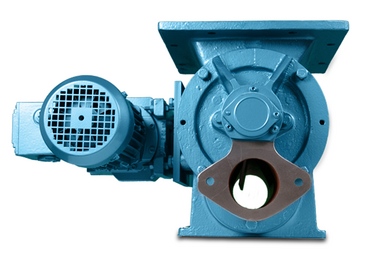
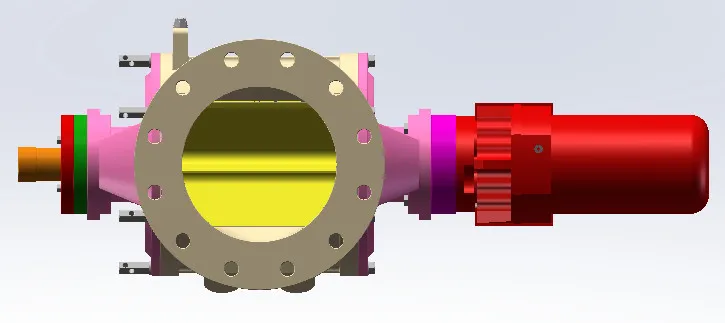
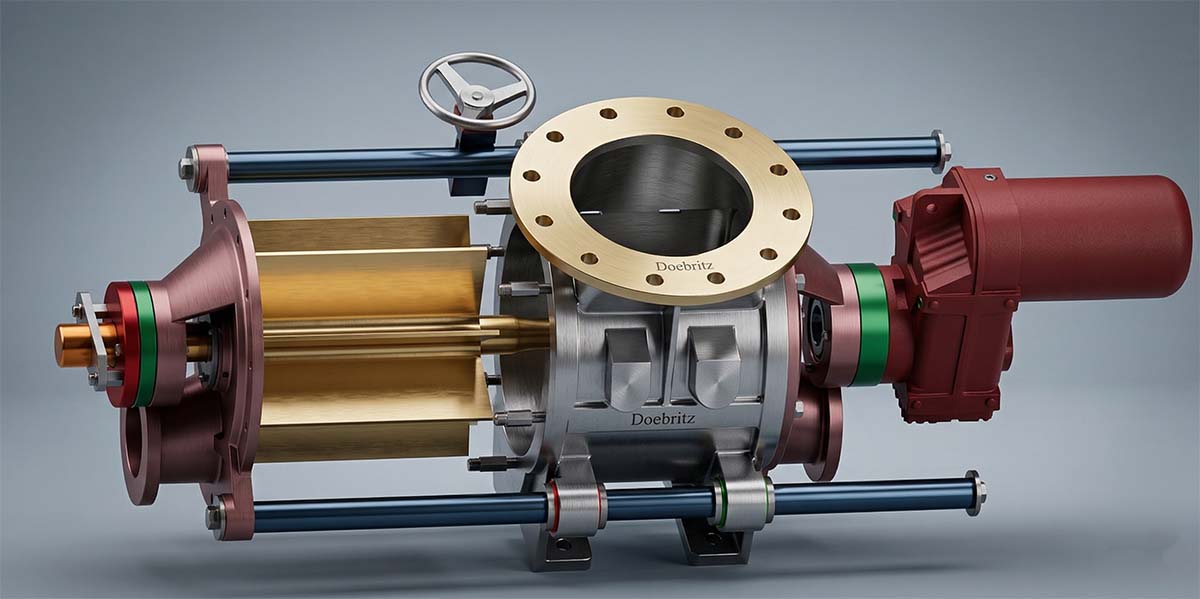
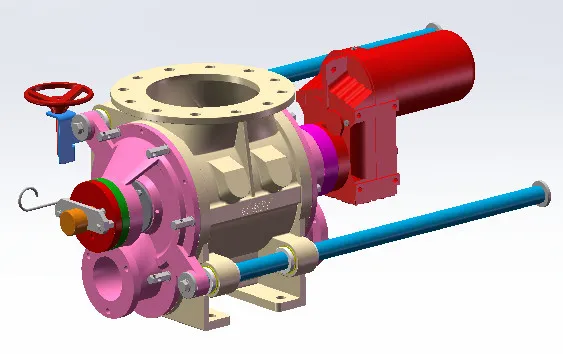

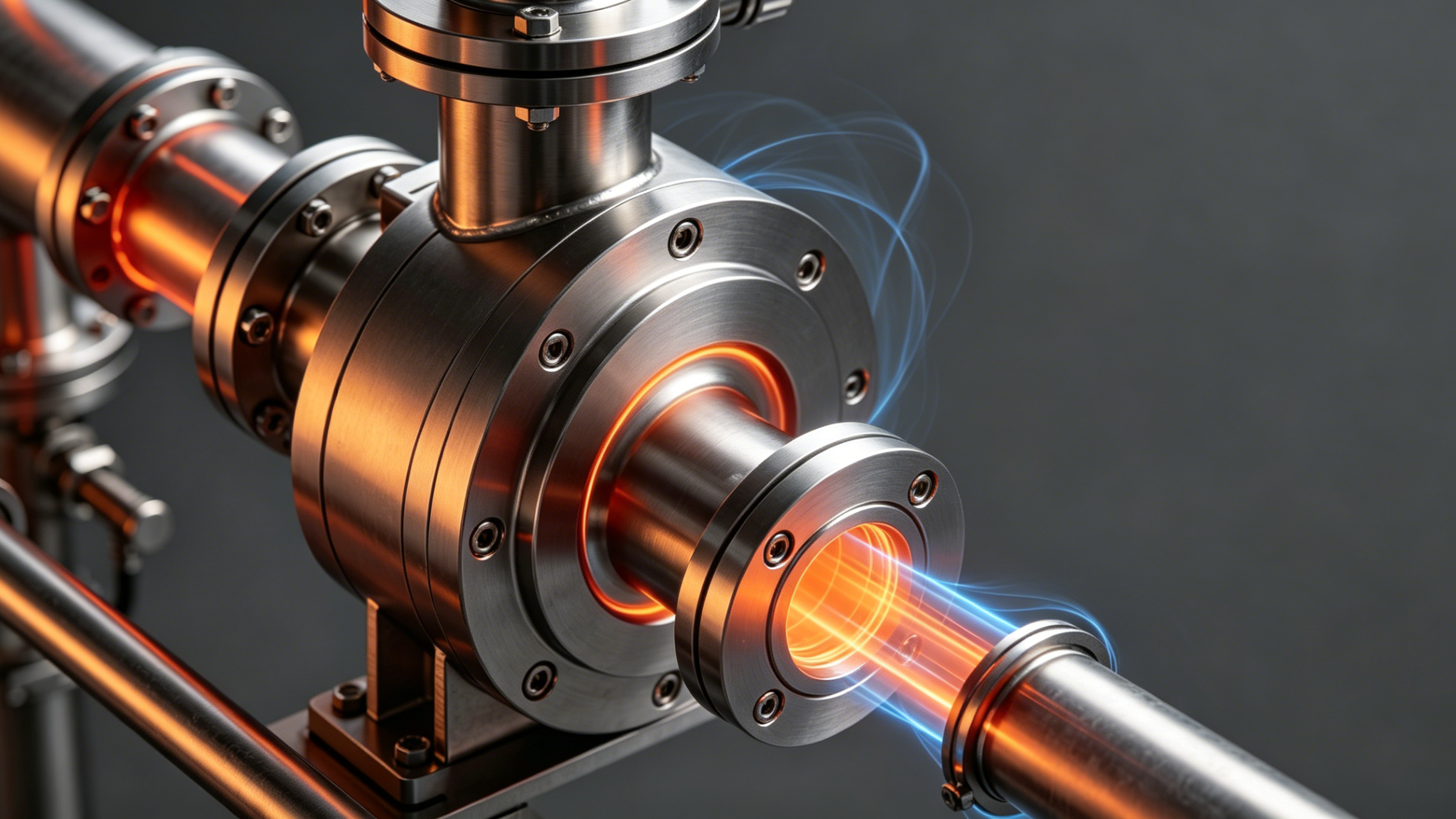
Ao manusear pós de calor extremo, os engenheiros das fábricas enfrentam uma gripagem catastrófica da válvula rotativa. A deformação da tubagem e as quedas de pressão imprevisíveis também destroem a eficiência operacional. Como Doebritz, Como fabricante profissional de válvulas rotativas para manuseamento de pós, vemos isto com frequência. Assistimos frequentemente a instalações que lutam para manter o tempo de atividade quando o equipamento padrão derrete. Estamos a partilhar a nossa experiência de fabrico direto para resolver exatamente estes estrangulamentos térmicos. Sabemos como construir sistemas que sobrevivem a ambientes extremos. A dinâmica térmica não pode ser ignorada na indústria pesada.
O núcleo do projeto de sistemas de transporte pneumático para materiais acima dos 300 graus Celsius assenta numa matemática rigorosa. Requer o cálculo exato das folgas de expansão térmica. Os engenheiros devem ajustar-se à densidade reduzida do gás. A seleção de tecnologias de vedação imunes ao calor é também absolutamente obrigatória. Os componentes padrão simplesmente não conseguem lidar com o stress térmico. Eles deformam-se, derretem e destroem todo o calendário de produção.
Este guia descreve os parâmetros matemáticos exactos necessários. Detalhamos os critérios de seleção de fases e os ajustes mecânicos necessários. Estes passos ajudam-no a construir os melhores sistemas de transporte pneumático para materiais a alta temperatura. Ao ler isto, aprenderá a projetar sistemas térmicos sem falhas. Finalmente, eliminará para sempre o dispendioso tempo de inatividade induzido pelo calor. Nós fornecemos os planos exactos para a fiabilidade térmica.
Porque é que o transporte a alta temperatura é difícil?
O transporte de materiais acima dos 300 graus Celsius provoca uma expansão térmica grave e altera drasticamente as densidades do gás. Os sistemas padrão simplesmente não conseguem sobreviver a este desgaste acelerado dos componentes. O calor provoca a expansão do metal. Degrada instantaneamente os materiais de vedação padrão. O aço-carbono padrão expande-se significativamente sob o efeito do calor. Esta rápida expansão faz com que as peças internas em movimento colidam violentamente. Os elastómeros e os vedantes de borracha comuns derretem completamente. Todo o sistema perde pressão e pára imediatamente a produção.
A implementação de tolerâncias térmicas personalizadas e ligas especializadas é a única solução viável.
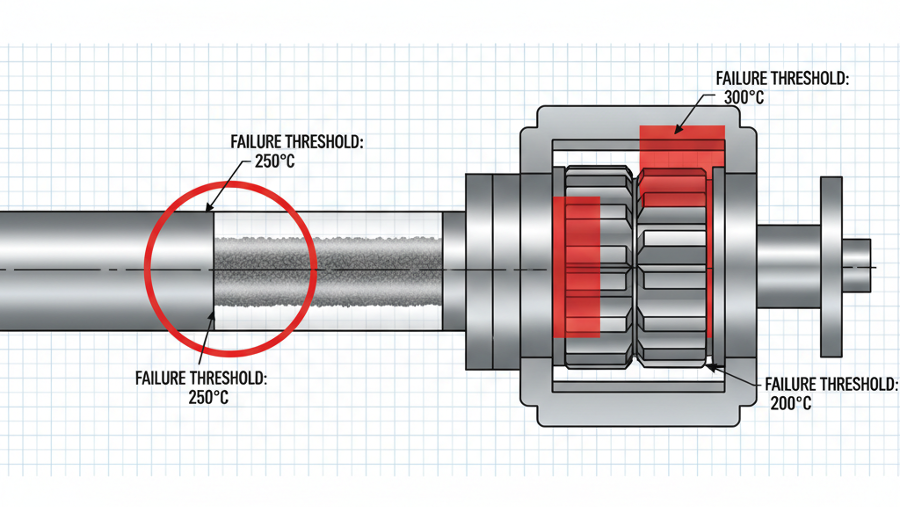
Temos de conceber cada componente para resistir ao calor radiante extremo. Testamos regularmente os materiais para encontrar os seus pontos de rutura exactos. Os nossos dados de engenharia mostram exatamente quando as peças padrão falham. Não se pode confiar nas especificações de temperatura ambiente para aplicações de calor extremo. Se o fizer, garante uma falha mecânica catastrófica. Os nossos dados provam que a metalurgia especializada não é negociável.
- Os vedantes de nitrilo padrão falham completamente a 120 graus Celsius.
- Os lubrificantes normais para chumaceiras carbonizam rapidamente a 150 graus Celsius.
- As condutas de aço-carbono sofrem uma expansão linear de 1,2 milímetros por metro.
- Esta expansão ocorre por cada 100 graus Celsius de aumento de temperatura.
- As válvulas rotativas não modificadas gripam em 45 minutos após a exposição.
- Esta gripagem ocorre quando se manipulam materiais a granel a 300 graus Celsius.
- As quedas de pressão do sistema aumentam em 35 por cento a temperaturas extremas.
- Os veios dos rotores standard deformam-se 0,8 milímetros sob tensão térmica prolongada.
- As tintas e os revestimentos exteriores formam bolhas a exatamente 200 graus Celsius.
Quais são os riscos térmicos ocultos?
O perigo mais negligenciado é a transferência de calor dos materiais a granel para o gás de transporte. Isto altera fundamentalmente a força de elevação aerodinâmica. A transferência de calor altera significativamente as quedas de pressão do sistema. Quando o material quente entra na tubagem, aquece o ar de transporte. Este súbito pico de temperatura faz com que o gás se expanda rapidamente. A expansão aumenta inesperadamente o caudal volumétrico real. Isto cria uma forte contrapressão contra a válvula rotativa. Também aumenta o risco de choque térmico nos suportes estruturais. Os suportes rígidos da tubagem partem-se se não conseguirem acomodar a expansão linear. Recomendamos sempre suportes flutuantes para tubagens de alta temperatura. Ignorar estes riscos ocultos conduz a falhas estruturais catastróficas. Toda a rede de condutas pode deslocar-se dos seus suportes de montagem. Concebemos juntas de expansão para absorver este movimento preciso.
Que fase é adequada para pós quentes?
A fase densa é superior para pós abrasivos quentes porque as velocidades mais baixas reduzem drasticamente a erosão acelerada pelo calor. As temperaturas elevadas combinadas com materiais abrasivos destroem rapidamente as curvas das condutas. O calor elevado amolece ligeiramente as paredes dos tubos a um nível microscópico. Quando combinado com impactos abrasivos de alta velocidade, a taxa de desgaste multiplica-se exponencialmente. Os sistemas pneumáticos standard empurram os materiais a velocidades extremamente elevadas.
Esta alta velocidade actua como um jato de areia no interior da tubagem. A seleção da fase de transporte adequada minimiza esta velocidade destrutiva das partículas. Recomendamos sempre ajustes de fase específicos para ambientes extremos. O transporte em fase densa movimenta o material lentamente em grandes fragmentos. Este movimento lento preserva perfeitamente o interior da tubagem. Quando se avalia o transporte em fase diluída versus fase densa para pós abrasivos de alta temperatura, os dados são importantes. A fase densa reduz significativamente os custos totais de manutenção. A integração natural da fase adequada poupa milhares de euros em peças de substituição. Materiais abrasivos como cinzas volantes ou clínquer exigem este manuseamento suave. Os sistemas de alta velocidade simplesmente destroem-se por dentro.
| Parâmetro | Transporte de Fase Diluída | Transporte em fase densa |
| Velocidade média do gás | 15 a 25 metros por segundo | 2 a 8 metros por segundo |
| Rácio sólido/gás | Menos de 15 para 1 | Até 100 para 1 |
| Taxa de desgaste da tubagem | Extremamente elevado | Muito baixo |
| Pressão de funcionamento | Menos de 1,0 bar | 1,5 a 4,0 bar |
| Transferência de calor para o gás | Elevada taxa de transferência | Baixa taxa de transferência |
| Consumo de energia | 40 por cento mais potência | Altamente eficiente |
Como é que as velocidades afectam o desgaste?
A abrasão das condutas é proporcional ao cubo da velocidade das partículas, o que significa que as reduções de velocidade poupam custos avultados. A relação matemática entre velocidade e abrasão é implacável. Se duplicar a velocidade das partículas, a taxa de desgaste aumenta oito vezes. É por isso que o transporte a alta velocidade destrói os tubos quentes tão rapidamente. A fase densa funciona a uma velocidade altamente controlada de 2 metros por segundo. Esta baixa velocidade preserva a integridade da tubagem mesmo com materiais abrasivos. Evita que as paredes amolecidas da tubagem sofram uma erosão prematura.
A manutenção de baixas velocidades é a melhor defesa contra o desgaste induzido por fricção. Aumenta a vida útil de cada cotovelo e válvula de desvio. Poupa-se capital em peças de substituição e reduz-se o trabalho de manutenção.
Como é que o calor altera os parâmetros?
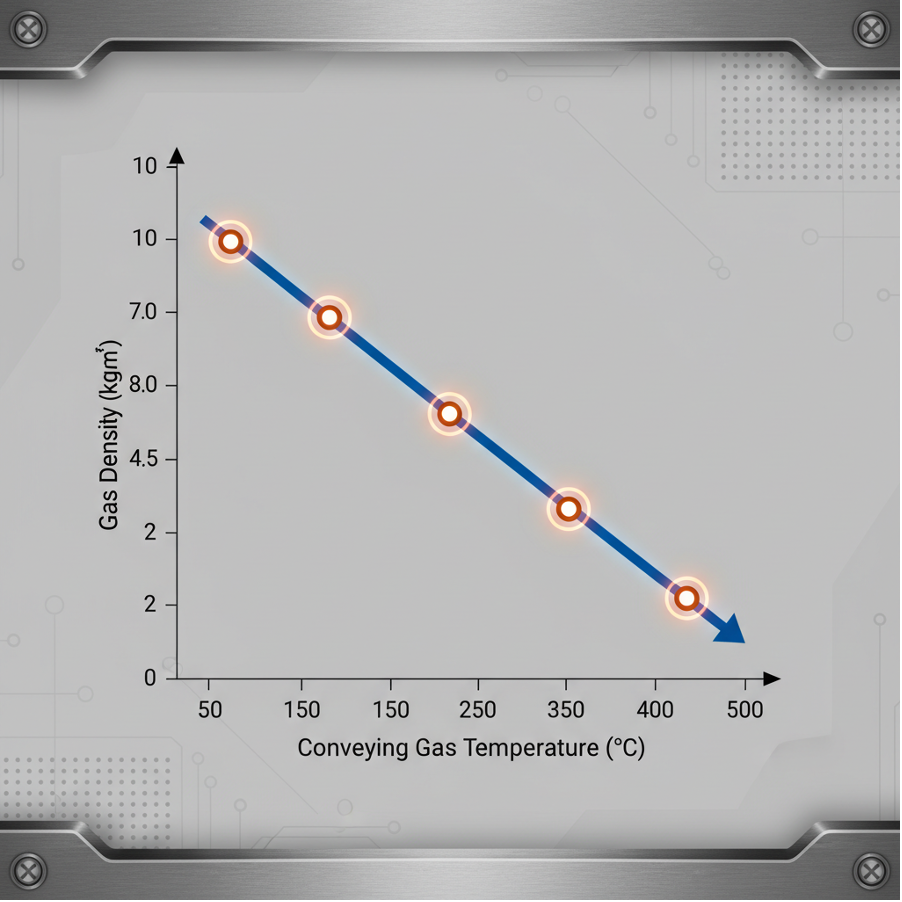
O calor extremo reduz a densidade do gás e obriga os engenheiros a calcular com precisão as folgas de expansão térmica. Os sistemas concebidos para temperaturas ambientes não conseguem movimentar material a 300 graus Celsius. A Lei de Charles estabelece que, à medida que a temperatura do gás aumenta, o seu volume expande-se. Simultaneamente, a densidade do gás diminui significativamente. Esta diminuição da densidade reduz a capacidade de transporte aerodinâmica do ar. O ventilador tem de impulsionar mais ar para movimentar a mesma quantidade de material. O recálculo das dimensões do soprador é fundamental para a estabilidade do sistema.
Também temos de maquinar folgas de rotor personalizadas. Como fabricante, Doebritz estabelece padrões rigorosos para a maquinação de rotores a alta temperatura. Calculamos a expansão exacta de cada liga metálica utilizada. A conceção correta do sistema de transporte pneumático para materiais acima dos 300 graus Celsius exige precisão. Testamos cada folga de válvula sob cargas térmicas simuladas. Isto garante um funcionamento sem falhas quando instalado nas suas instalações. Documentamos todos os parâmetros térmicos antes de a válvula sair da nossa fábrica. A engenharia de precisão elimina as conjecturas do manuseamento de materiais a alta temperatura.
- A 20 graus Celsius, a densidade normal do ar é de 1,20 quilogramas por metro cúbico.
- A 300 graus Celsius, a densidade normal do ar desce para 0,61 quilogramas por metro cúbico.
- Esta queda de densidade exige quase o dobro do caudal volumétrico para manter a capacidade.
- A folga padrão do rotor da válvula rotativa é de exatamente 0,15 milímetros.
- Para operações a 300 graus Celsius, maquinamos folgas com exatamente 0,40 milímetros.
- As chumaceiras de alta temperatura devem ser deslocadas pelo menos 100 milímetros para fora das caixas.
- Os veios do rotor expandem-se radialmente em 0,05 milímetros por cada aumento de 100 graus Celsius.
Como calcular a expansão térmica?
Utilizamos coeficientes metalúrgicos rigorosos para prever alterações dimensionais exactas antes do início do fabrico. O cálculo da expansão radial e axial é absolutamente necessário. Os rotores expandem-se para fora em direção à caixa e longitudinalmente ao longo do eixo. Se calcularmos apenas a expansão radial, as extremidades do rotor ficarão presas. Utilizamos um coeficiente de expansão térmica linear específico para cada liga. Também notamos a importância da utilização de gás de purga térmica. O gás de purga protege as vedações do eixo da exposição direta ao calor. Mantém o material de embalagem frio e evita a degradação prematura. Sem o gás de purga, o pó abrasivo coze diretamente nas juntas de vedação. Isto cria um bloco sólido de material endurecido que destrói os veios.
Como é que a Doebritz resolveu os desafios?
As nossas válvulas rotativas personalizadas de elevada folga e as velocidades ajustadas resolveram um problema crítico de poeiras de clínquer. Uma fábrica de cimento específica na Alemanha enfrentou uma enorme crise de produção. Estavam a lidar diariamente com pó de clínquer altamente abrasivo a 350 graus Celsius. As válvulas rotativas de terceiros existentes estavam a falhar a cada 48 horas. Este constante bloqueio interrompia a produção e custava-lhes milhares de euros. As válvulas da concorrência não tinham folgas térmicas suficientes para o calor extremo. Também utilizavam rolamentos internos que coziam sob o calor radiante.
Doebritz interveio para resolver este problema crítico. Fornecemos uma válvula rotativa de passagem personalizada para o seu sistema. Esta válvula apresentava rolamentos exteriores e vedantes de embalagem de alta temperatura. Maquinámos uma folga térmica específica de 0,45 milímetros para o rotor. Também optimizámos o transporte de fase diluída versus fase densa para pós abrasivos a alta temperatura.
Isto criou os melhores sistemas de transporte pneumático para materiais a alta temperatura nas suas instalações. O seu sistema funciona agora continuamente sem quaisquer interrupções térmicas. A nossa equipa de engenharia acompanhou a instalação para garantir um alinhamento perfeito. Os resultados provaram que a precisão matemática resolve os problemas industriais mais difíceis.
| Métrica | Válvula do concorrente Antes | Solução Doebritz depois |
| Folga do rotor | 0,20 milímetros padrão | 0,45 milímetros térmico personalizado |
| Localização do rolamento | Configuração do sobreaquecimento do interior | Painel exterior com desvio de 120 milímetros |
| Frequência de manutenção | Falha a cada 48 horas | 0 falhas em 14 meses |
| Capacidade do sistema | Níveis de saída flutuantes | Estável a 22 toneladas por hora |
| Redução do tempo de inatividade | Não foram registadas melhorias | Diminuição do tempo de inatividade em 85 por cento |
| Tempo de vida do selo | Falha após 7 dias | Dura mais de 180 dias continuamente |
Conclusão e próximos passos concretos
Conceber os melhores sistemas de transporte pneumático para materiais a alta temperatura requer uma precisão sem compromissos. Desde o cálculo da queda exacta da densidade do gás até à maquinação das folgas térmicas, todos os parâmetros são importantes. Maquinamos estas folgas até ao centésimo de milímetro. O equipamento padrão irá falhar quando sujeito a pós abrasivos acima dos 300 graus Celsius. Como um fabricante dedicado, Doebritz possui os dados de engenharia e a experiência prática. Mantemos os seus processos a alta temperatura a funcionar continuamente sem gripagem ou falhas nas condutas.
Se as suas instalações estiverem a debater-se com expansão térmica, gripagem de válvulas ou desgaste excessivo das tubagens, actue agora. Não espere pela próxima falha catastrófica para interromper a sua linha de produção. Contacte hoje a nossa equipa de engenharia por correio eletrónico sales@rotaryvalveco.com. Estamos prontos para discutir os seus desafios específicos de manuseamento de materiais a alta temperatura. Deixe-nos conceber uma solução personalizada que proteja a sua rentabilidade operacional. Confiança Doebritz para proporcionar uma fiabilidade inigualável nos ambientes industriais mais exigentes.