




Per molti produttori, l'acquisto di un miscelatore industriale per polveri non riguarda più solo le prestazioni di miscelazione. La vera sfida spesso inizia prima ancora che la produzione abbia inizio: L'attrezzatura può effettivamente essere sistemata in modo efficiente nell'officina?
Poiché i costi di affitto degli stabilimenti continuano ad aumentare e le linee di produzione diventano sempre più compatte, i produttori prestano un’attenzione sempre maggiore all’utilizzo dello spazio a disposizione. Un miscelatore che sulla carta sembra offrire buone prestazioni può comunque causare problemi operativi se occupa troppo spazio, complica le procedure di pulizia o aumenta il fabbisogno di manodopera.
Ciò vale in particolare per settori quali quello alimentare, farmaceutico, nutraceutico e dei prodotti chimici speciali, in cui gli stabilimenti devono conciliare contemporaneamente gli standard igienici, la flessibilità produttiva e lo spazio limitato a disposizione.
Ecco perché il dibattito su Sistemi di miscelazione industriale di polveri: verticali vs orizzontali è diventato sempre più importante.
Entrambe le tipologie di miscelatori sono ampiamente utilizzate nel settore della lavorazione delle polveri, ma sono progettate per soddisfare priorità produttive molto diverse. La scelta di una struttura non adeguata può comportare costi operativi superflui, configurazioni inefficienti degli stabilimenti e cicli di pulizia più lenti.
D'altra parte, la scelta delle attrezzature giuste può migliorare il flusso produttivo, ridurre gli oneri di manutenzione e persino liberare spazio prezioso in fabbrica in vista di future espansioni.
Perché la struttura del mixer è più importante di quanto molti acquirenti pensino
A prima vista, i miscelatori verticali e quelli orizzontali per polveri potrebbero sembrare destinati alla stessa funzione. Entrambi sono progettati per miscelare polveri e materiali granulari fino a ottenere una miscela omogenea.
Tuttavia, le loro strutture interne, i sistemi di pulizia, i requisiti di installazione e lo spazio necessario differiscono in modo sostanziale.
Queste differenze incidono direttamente sull'efficienza produttiva, sui tempi di pulizia, sulla flessibilità nella configurazione dell'officina, sul consumo energetico, sui costi di manodopera e sulle future esigenze di manutenzione. L'ottimizzazione degli spazi produttivi sta diventando una priorità fondamentale per i moderni impianti di lavorazione, poiché i produttori mirano a migliorare l'efficienza operativa senza ampliare le dimensioni dello stabilimento.
In pratica, ciò significa che la scelta delle attrezzature non si basa più esclusivamente sulla capacità produttiva. I produttori valutano ora l’efficienza con cui una macchina si integra nell’intero ambiente produttivo.
È proprio in questo ambito che i miscelatori industriali verticali per polveri hanno suscitato grande interesse negli ultimi anni.
Comprendere la differenza fondamentale tra miscelatori verticali e orizzontali
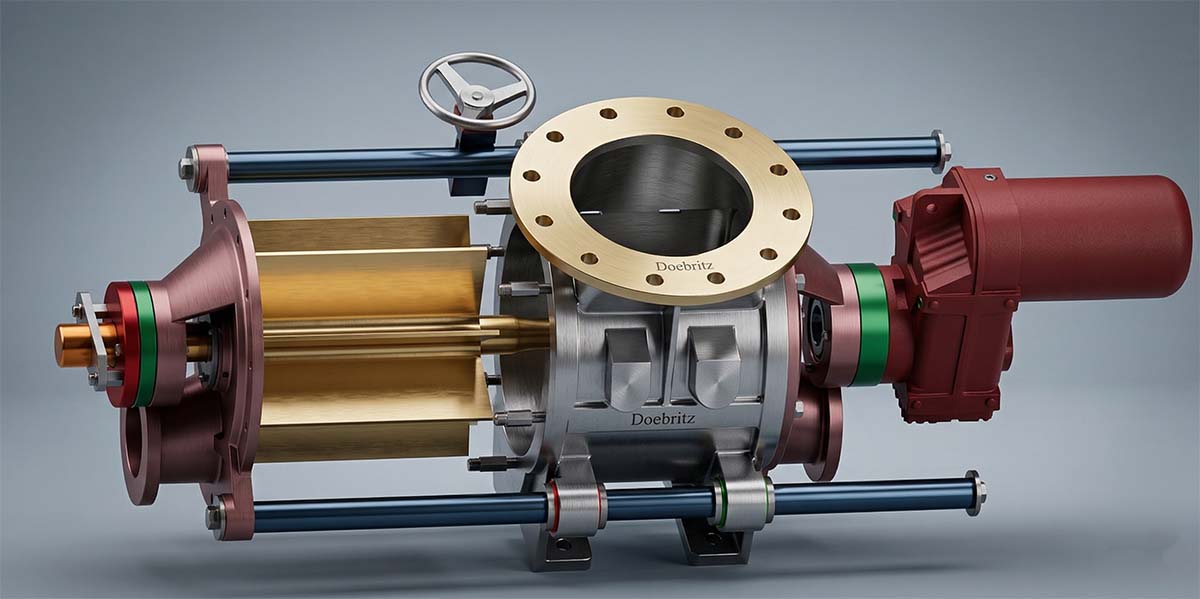
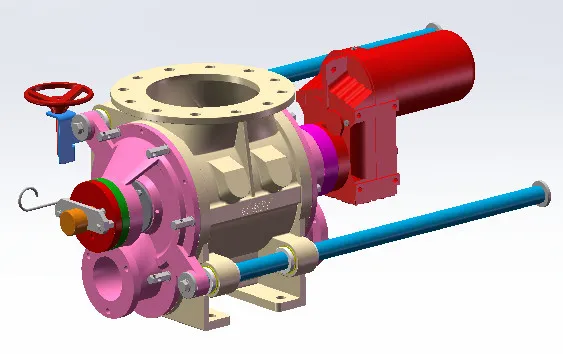
Prima di addentrarci nei numeri, è importante comprendere il principio di funzionamento di base. Un miscelatore industriale orizzontale per polveri è costituito da una lunga vasca cilindrica con un albero che la attraversa longitudinalmente. Dei nastri o delle pale spingono il materiale da un’estremità verso il centro o verso l’estremità opposta. Questo sistema funziona bene per lotti di grandi dimensioni, ma richiede uno spazio considerevole: il miscelatore è lungo quanto la sua capacità.
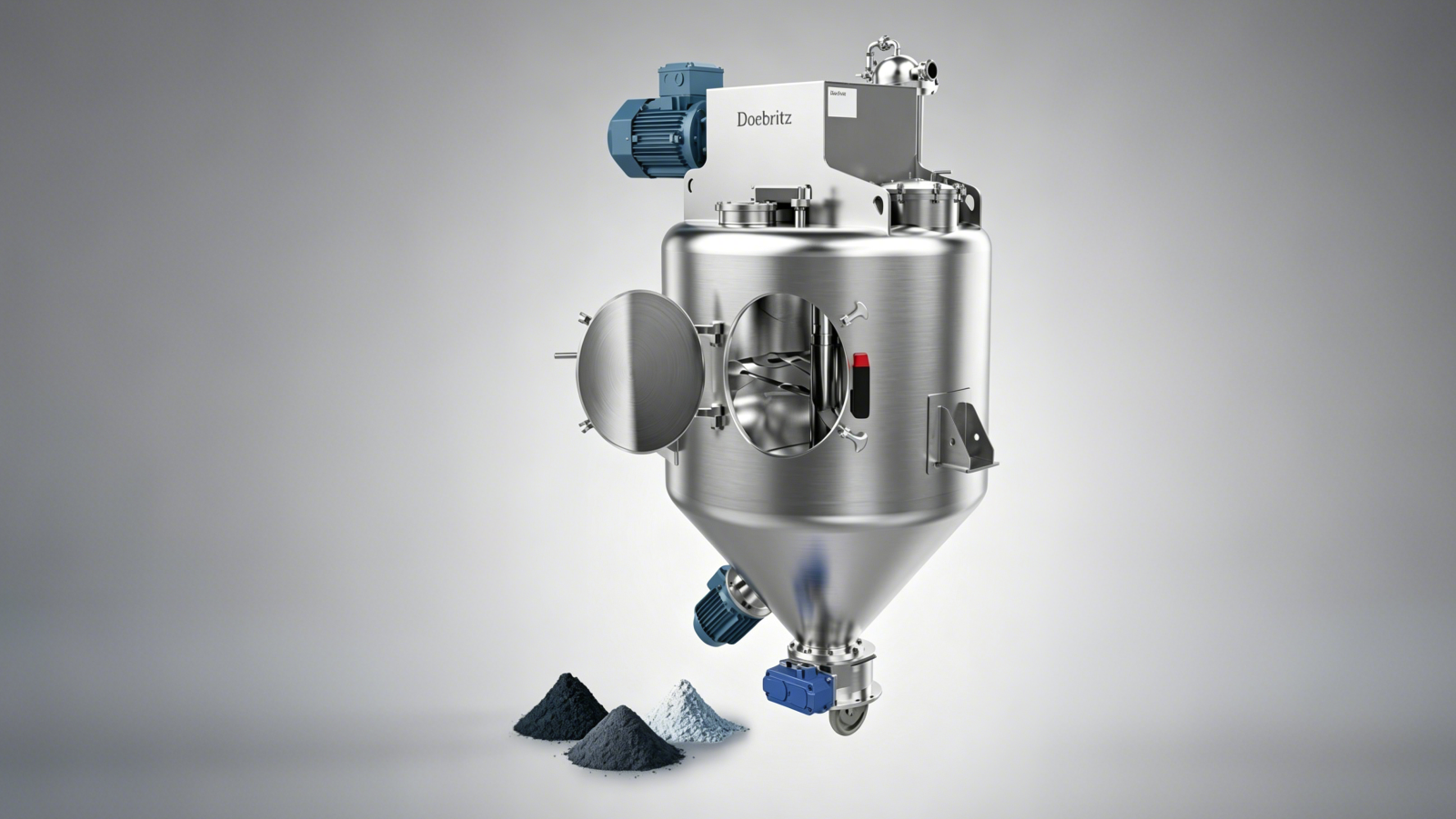
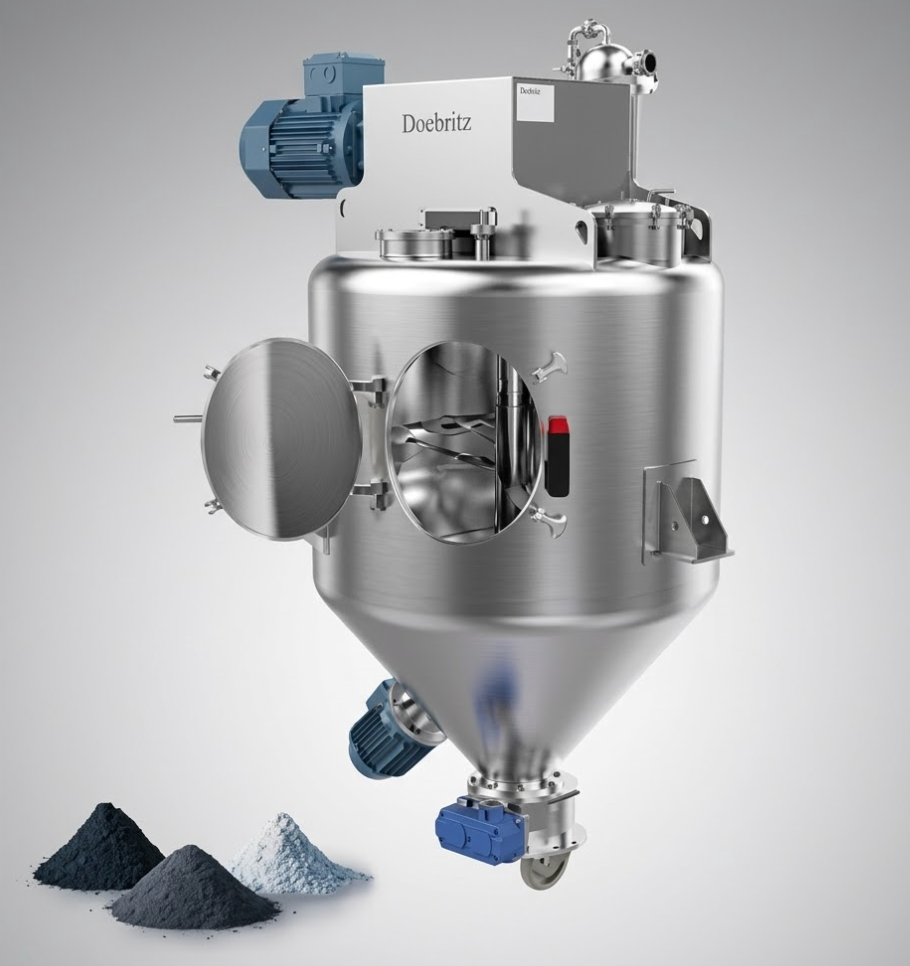
Un miscelatore industriale verticale per polveri, invece, ha una forma cilindrica. Un albero verticale dotato di agitatori a nastro solleva la polvere dal fondo verso l’alto al centro e la fa ricadere lungo i lati. Questa circolazione assistita dalla forza di gravità garantisce un’eccellente omogeneità, mantenendo al contempo un ingombro ridotto. Pensate alla differenza tra un divano lungo (orizzontale) e una libreria alta (verticale). Entrambi servono a riporre oggetti, ma uno dei due occupa lo spazio a pavimento in modo molto diverso.
Allora, quale dei due è più adatto alla vostra officina? Confrontiamo i sette parametri fondamentali che contano di più per i responsabili di produzione.
Confronto dei parametri principali – Miscelatori industriali per polveri verticali e orizzontali
1. Lo spazio a disposizione spesso determina la scelta finale
Negli stabilimenti più datati o nei grandi parchi industriali, i miscelatori orizzontali potrebbero non comportare particolari problemi di spazio. Tuttavia, molte officine moderne devono fare i conti con spazi sempre più limitati.
È proprio qui che i miscelatori verticali offrono un vantaggio fondamentale.
Poiché la camera di miscelazione si estende verso l'alto anziché verso l'esterno, l'impianto occupa uno spazio molto più ridotto. Per le aziende manifatturiere di piccole e medie dimensioni, ciò offre spesso maggiori opportunità di flessibilità nella pianificazione della produzione.
| Area di confronto | Miscelatore industriale verticale per polveri | Miscelatore industriale orizzontale per polveri |
| Spazio necessario a pavimento | Ingombro ridotto | Ingombro maggiore |
| Idoneità al workshop | Piccole e medie officine | Impianti su larga scala |
| Flessibilità di layout | Integrazione più semplice | Richiede un'area di produzione più ampia |
| Potenziale di espansione | Più flessibile | Che richiede molto spazio |
Per gli impianti che gestiscono più stazioni di lavorazione in uno spazio limitato, ogni metro quadrato è fondamentale. Un miscelatore a nastro verticale può spesso essere installato più vicino alle attrezzature adiacenti, garantendo comunque l’accesso all’operatore e lo spazio necessario per la pulizia.
Ciò assume particolare importanza nei settori in cui le linee di produzione continuano ad ampliarsi nel corso del tempo.
2. L'efficienza diventa la prossima priorità
Naturalmente, risparmiare spazio non serve a molto se la qualità della miscelazione ne risente. Fortunatamente, i moderni miscelatori verticali a nastro sono migliorati notevolmente negli ultimi anni.
Il design dell'agitatore a nastro, utilizzato in molti sistemi verticali, consente ai materiali di muoversi contemporaneamente in più direzioni di circolazione. Le polveri vengono sollevate, rimescolate e ridistribuite continuamente all'interno della camera, contribuendo a migliorare l'omogeneità e ad abbreviare i cicli di miscelazione.
In molte applicazioni, gli agitatori a nastro verticali raggiungono ormai livelli di omogeneità di miscelazione paragonabili a quelli dei tradizionali sistemi orizzontali, pur richiedendo meno spazio per l’installazione. I miscelatori orizzontali continuano tuttavia a presentare dei vantaggi in determinate operazioni su grandi lotti, in particolare quando gli impianti trattano in modo continuo volumi estremamente elevati di polveri secche omogenee.
Tuttavia, per i produttori che gestiscono lotti di dimensioni variabili, ricette di prodotto multiple o tipi di materiali diversi, i sistemi verticali offrono spesso una maggiore flessibilità operativa.
3. L'efficienza nella pulizia sta diventando un importante fattore competitivo
Molti acquirenti inizialmente si concentrano solo sulle prestazioni di miscelazione, ma i costi operativi a lungo termine sono fortemente influenzati dall’efficienza di pulizia. Soprattutto nella produzione alimentare e farmaceutica, i tempi di fermo per la pulizia incidono direttamente sulla produttività.
I miscelatori orizzontali tradizionali spesso richiedono:
- Pulizia manuale parziale
- Smontaggio dei componenti
- Periodi di inattività più lunghi
- Ulteriore coinvolgimento della manodopera
Alcuni sistemi orizzontali possono integrare la funzionalità CIP, ma la configurazione è solitamente più complessa e può richiedere un'infrastruttura di tubazioni aggiuntiva. Al contrario, i moderni miscelatori industriali verticali per polveri sono sempre più spesso dotati di sistemi CIP integrati direttamente all'interno della struttura dell'apparecchiatura.
Il miscelatore verticale a nastro in acciaio inossidabile di Doebritz utilizza un sistema di pulizia CIP integrato che consente agli operatori di pulire la camera interna senza dover procedere a smontaggi significativi.
Ciò comporta diversi vantaggi operativi:
| Fattore di pulizia | Miscelatore verticale con CIP | Miscelatore orizzontale tradizionale |
| Metodo di pulizia | Pulizia CIP automatizzata | Pulizia manuale o semimanuale |
| Requisiti per lo smontaggio | Minimo | Spesso necessario |
| Domanda di manodopera | Inferiore | Più alto |
| Rischio igienico | Ridotto | Valori più elevati durante la pulizia manuale |
| Tempo di inattività per la pulizia | Più breve | Più lungo |
Per i produttori che devono rispettare rigorosi standard igienici, cicli di pulizia più brevi possono migliorare in modo significativo l'efficienza produttiva complessiva.
4. La flessibilità del materiale è un’altra differenza importante
Non tutti gli stabilimenti lavorano esclusivamente polveri secche. Oggi molti impianti trattano combinazioni di polveri fini, granuli, additivi, liquidi e ingredienti sensibili all’umidità.
È proprio qui che la versatilità del miscelatore assume un ruolo fondamentale. I miscelatori industriali verticali per polveri sono spesso più adatti alla lavorazione di più materiali, poiché la struttura dell’agitatore a nastro favorisce movimenti più ampi dei materiali all’interno della camera.
Il Doebritz Un miscelatore verticale a nastro in acciaio inossidabile, ad esempio, è in grado di trattare polveri, granuli e di eseguire miscelazioni con l'ausilio di liquidi all'interno dello stesso sistema.
I miscelatori orizzontali continuano a essere estremamente efficaci per la miscelazione di grandi volumi di polveri secche, ma la loro adattabilità all’integrazione di liquidi è talvolta più limitata, a seconda della struttura dell’agitatore. Per i produttori che realizzano formulazioni di prodotti diversi, la versatilità spesso conta più della sola dimensione massima del lotto.
5. L'installazione e la manutenzione rivelano solitamente il vero costo a lungo termine
Il prezzo di acquisto iniziale riflette solo una parte della situazione. L'impatto finanziario maggiore deriva spesso dalla complessità dell'installazione, dalla frequenza della manutenzione, dalla manodopera necessaria per la pulizia e dai tempi di inattività nel corso di diversi anni.
I miscelatori verticali si caratterizzano in genere per una maggiore semplicità di installazione, minori lavori di preparazione del pavimento, una più agevole integrazione delle tubazioni, un minore impiego di manodopera per la pulizia e un ingombro ridotto per l’accesso ai lavori di manutenzione.
I sistemi orizzontali, in particolare i modelli di grandi dimensioni, possono richiedere lavori di fondazione più complessi e uno spazio libero aggiuntivo per la manutenzione. Anche la manutenzione tende ad essere più laboriosa a causa delle dimensioni maggiori della struttura della camera orizzontale. Nel corso del tempo, queste differenze possono incidere in modo significativo sul costo totale di esercizio.
6. Perché la struttura in acciaio inossidabile è ancora importante
A prescindere dall’orientamento del miscelatore, il materiale di costruzione rimane un fattore fondamentale. I miscelatori industriali per polveri operano spesso in ambienti esposti a umidità, polveri abrasive, ingredienti corrosivi, frequenti cicli di pulizia e sbalzi di temperatura.
La struttura in acciaio inossidabile contribuisce a prevenire la corrosione, garantendo al contempo il rispetto delle norme igieniche nei settori alimentare, farmaceutico e chimico. L'acciaio inossidabile rimane uno dei materiali più raccomandati per le apparecchiature industriali destinate alla lavorazione igienica, grazie alla sua resistenza alla corrosione e alla facilità di pulizia.
Il Doebritz miscelatore verticale a nastro per polveri unisce la resistenza dell'acciaio inossidabile alla funzionalità di pulizia CIP, contribuendo a ridurre gli oneri di manutenzione e prolungando al contempo la durata delle apparecchiature.
Quale miscelatore si adatta meglio alle diverse situazioni di produzione?
La risposta dipende meno dalle etichette del settore e più dalle effettive priorità produttive.
Miscelatore industriale verticale per polveri
Un miscelatore verticale rappresenta spesso la soluzione migliore quando i produttori hanno bisogno di:
- Ottimizzazione limitata dello spazio nei laboratori
- Gestione flessibile dei materiali
- Cicli di pulizia più rapidi
- Standard igienici più elevati
- Minore coinvolgimento della manodopera
- Installazione semplificata
Ciò rende i miscelatori a nastro verticali particolarmente adatti alla lavorazione degli alimenti, al settore farmaceutico, a quello dei prodotti chimici speciali e agli impianti di produzione di piccole e medie dimensioni.
Miscelatore industriale orizzontale per polveri
I miscelatori orizzontali continuano a essere utili per:
- Produzione in lotti di dimensioni estremamente grandi
- Lavorazione continua con un unico materiale
- Strutture con ampia superficie utile
- Applicazioni di polvere secca ad alto volume
I grandi impianti industriali che trattano materiali omogenei su larga scala potrebbero comunque preferire configurazioni orizzontali.
Tuttavia, ciò non significa necessariamente che rappresentino la scelta più economica per ogni produttore.
La soluzione verticale Doebritz – Progettata per officine vere e proprie
Abbiamo progettato il nostro miscelatore verticale a nastro per polveri in acciaio inossidabile con sistema CIP non per vincere una gara di specifiche tecniche, ma per risolvere le difficoltà quotidiane dei responsabili di produzione. Il risparmio di spazio è integrato nella progettazione: il corpo verticale poggia su una base di dimensioni ridotte, si installa facilmente con un carrello elevatore standard e lascia spazio libero intorno a sé per fusti o stazioni di insaccamento.
L’agitatore a nastro è ottimizzato sia per le polveri secche che per le miscele di polveri e liquidi, garantendo la completa omogeneità in 3-6 minuti per la maggior parte delle densità apparenti. Inoltre, il sistema CIP non è un elemento secondario: include sfere di spruzzo rotanti posizionate strategicamente che raggiungono ogni superficie interna, compresa la parte inferiore del coperchio superiore. Non è mai necessario svitare gli sportelli di accesso né far entrare un tecnico con un'idropulitrice.
La struttura in acciaio inossidabile (304 o 316L) consente di utilizzare detergenti aggressivi per uso alimentare o farmaceutico senza preoccuparsi di corrosione puntiforme o generale, purché si evitino i cloruri. Inoltre, poiché il miscelatore è in grado di trattare polveri, granuli e liquidi in un unico recipiente, si riduce il numero di macchinari diversi che ingombrano il vostro laboratorio.
Per un'impresa di medie dimensioni, la combinazione di un investimento iniziale inferiore, una minore manodopera necessaria per la pulizia e un ingombro immobiliare ridotto comporta in genere un periodo di ammortamento inferiore a 18 mesi rispetto a un'alternativa orizzontale. È possibile richiedere al nostro team un calcolo personalizzato del ROI.
Conclusione
La scelta tra un miscelatore industriale per polveri verticale e uno orizzontale dipende, in definitiva, dalla comprensione del proprio contesto produttivo reale. Un miscelatore più grande non è sempre l’investimento migliore. In molte officine moderne, l’utilizzo dello spazio, l’efficienza nella pulizia, la flessibilità e la semplicità di manutenzione stanno diventando fattori importanti tanto quanto la capacità produttiva.
Per i produttori che operano in spazi ristretti o che gestiscono linee di prodotti diversificate, un miscelatore a nastro verticale offre spesso il miglior equilibrio tra efficienza e praticità. D’altra parte, gli impianti su larga scala con una produzione stabile e ad alto volume di polveri possono comunque trarre vantaggio dai sistemi orizzontali.
La chiave sta nel scegliere attrezzature che si adattino alla configurazione della vostra officina, agli standard igienici, alle caratteristiche dei materiali e alla strategia produttiva a lungo termine — senza limitarsi a seguire le consuetudini tradizionali del settore.
Cerchi un miscelatore industriale per polveri che si adatti in modo più efficiente alla tua officina?
Esplora il Soluzioni per miscelatori a nastro verticali in acciaio inossidabile da Doebritz per scoprire come la pulizia CIP integrata, il design verticale compatto e le prestazioni di miscelazione versatili possano supportare i vostri obiettivi di produzione.