



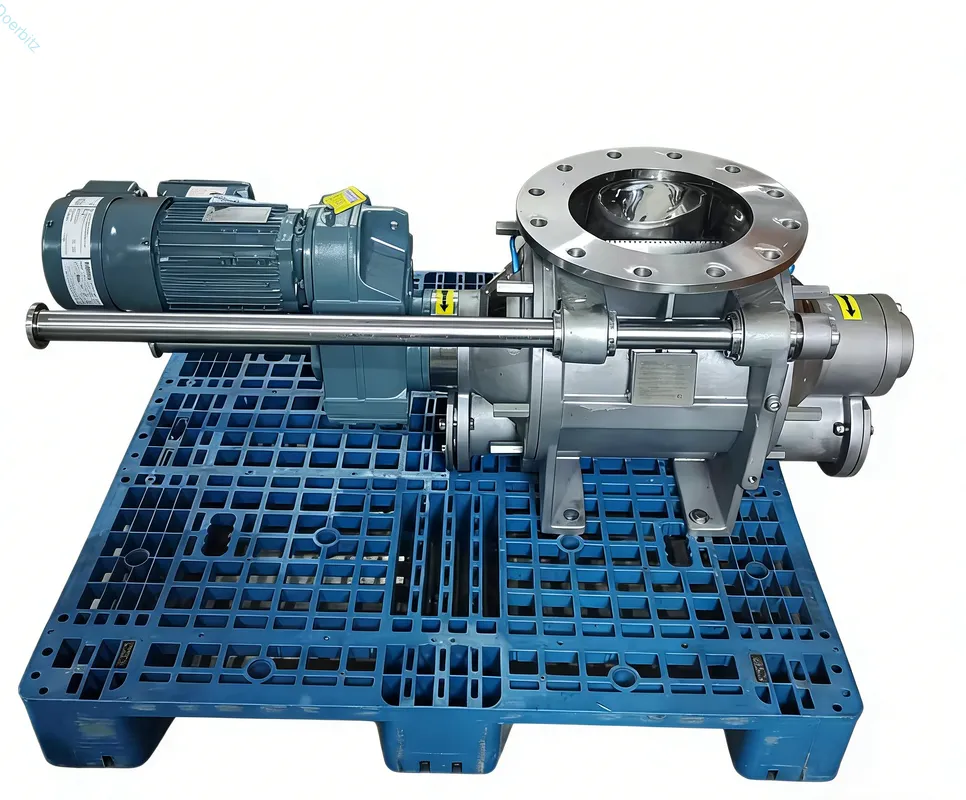
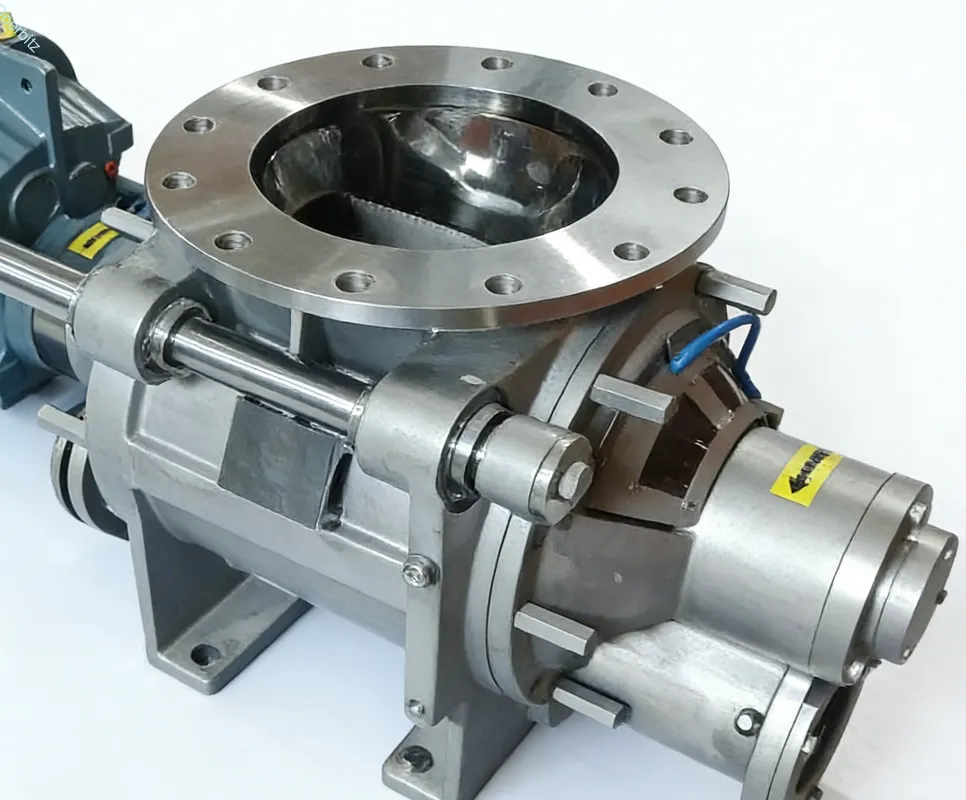
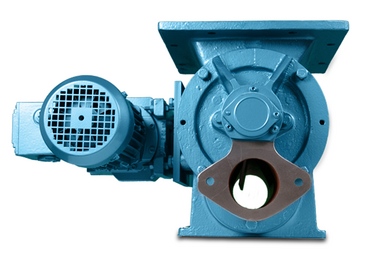
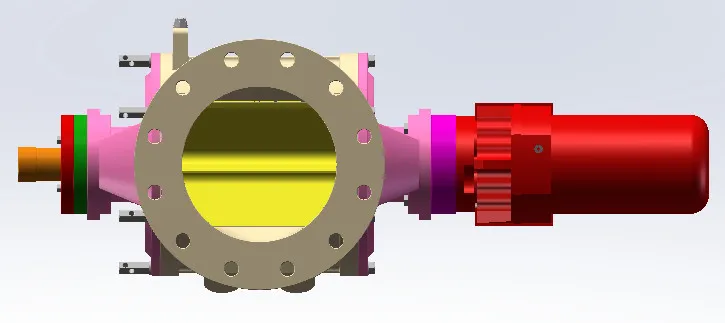

Benvenuti in Doebritz Valve Expertise
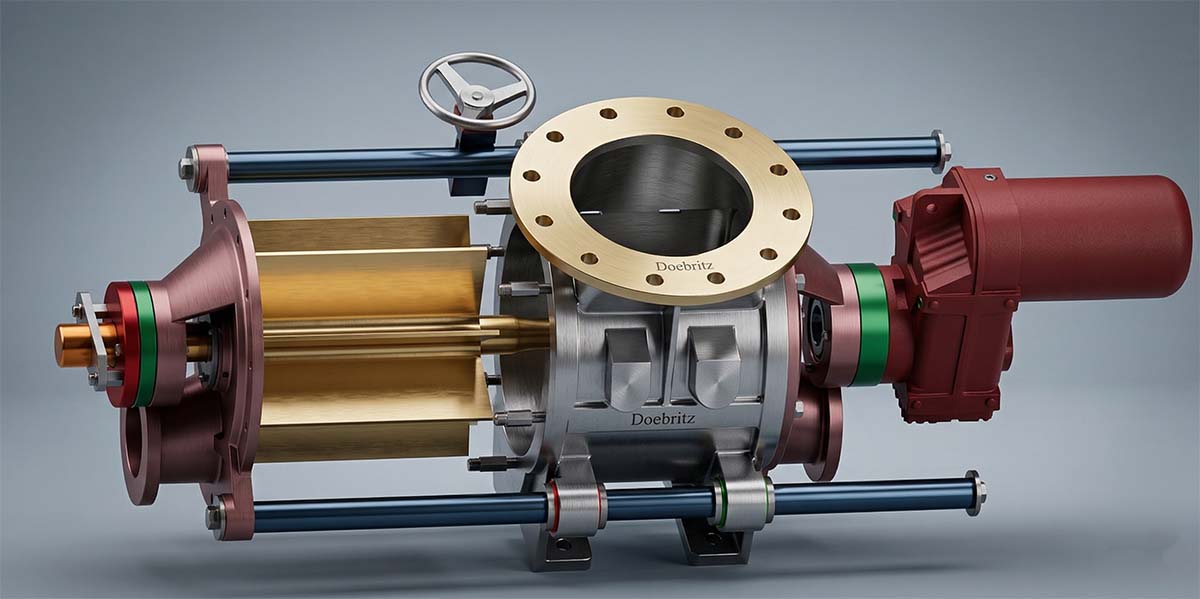
Qui a Doebritz, vi diamo il benvenuto nella nostra knowledge base tecnica. In qualità di produttore specializzato in valvole per camere di compensazione destinate alla movimentazione delle polveri, sappiamo bene che i componenti standard spesso non reggono alle severe sollecitazioni della lavorazione industriale. Le valvole standard possono funzionare bene per impianti di base alimentati per gravità, ma quando vengono integrate in complesse linee a pressione o a vuoto, spesso si rivelano inadeguate. Ciò comporta gravi inefficienze del sistema, danni al prodotto e fermi macchina non programmati. Il nostro obiettivo principale oggi non è semplicemente quello di proporvi una presentazione commerciale generica. Vogliamo invece condividere direttamente con voi la nostra esperienza ingegneristica sul campo e la nostra profonda conoscenza del settore.
Siamo convinti che i responsabili degli acquisti, gli ingegneri di processo e gli operatori di impianto ben informati siano in grado di prendere le decisioni migliori per i propri impianti. La scelta del partner giusto è assolutamente fondamentale per il successo a lungo termine e l’affidabilità delle vostre operazioni. Abbiamo dedicato innumerevoli ore a perfezionare i nostri progetti, a studiare le modalità di guasto meccanico e a realizzare soluzioni robuste e a tenuta stagna in grado di resistere agli ambienti di produzione più difficili. Attraverso questa guida dettagliata, miriamo a fornirvi gli standard tecnici precisi di cui avete bisogno per valutare i potenziali partner e comprendere perché l’ingegneria specializzata fa davvero la differenza nelle vostre operazioni quotidiane. Vi invitiamo a scoprire i principi fisici alla base delle perdite d’aria, l’importanza fondamentale della scelta dei materiali e le applicazioni concrete in cui le nostre soluzioni mirate hanno trasformato radicalmente l’efficienza nella movimentazione delle polveri.
Gestire le differenze di pressione nei sistemi di trasporto
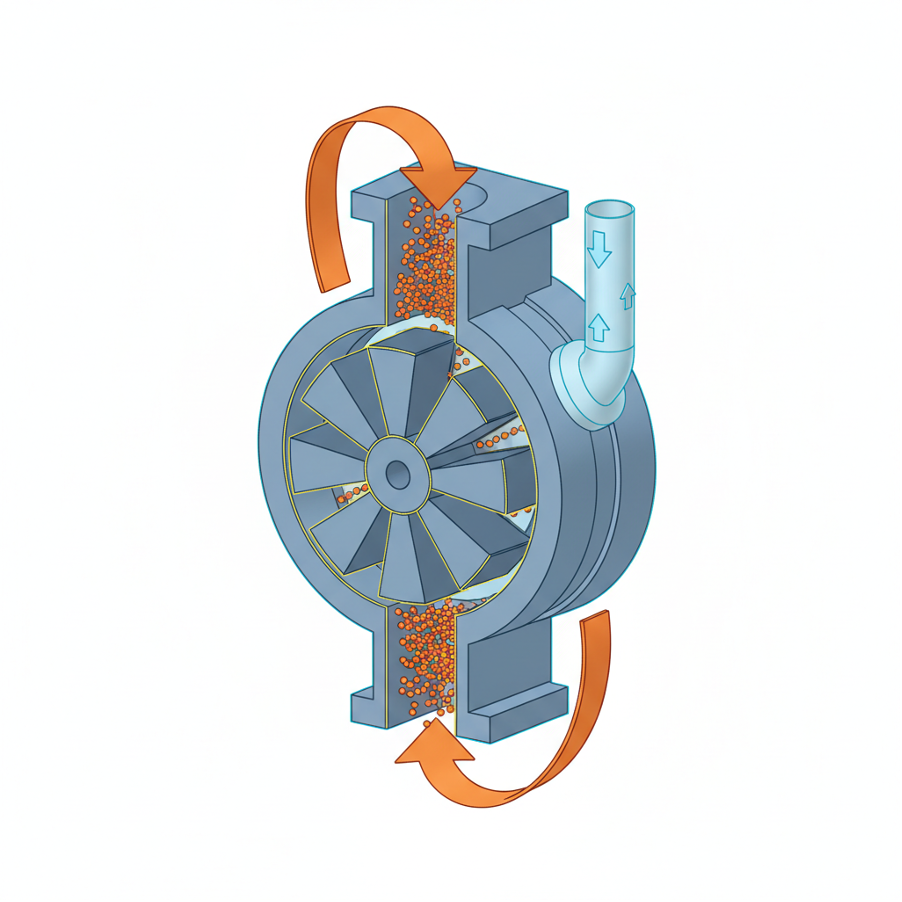
Affrontare la sfida tecnica più critica in qualsiasi linea di trasporto di materiali sfusi sotto pressione richiede una solida comprensione della fisica delle perdite d’aria, comunemente denominate “blow-by”. Sia nelle linee di trasporto in pressione positiva che in quelle a vuoto, la valvola funge da tenuta fondamentale tra ambienti con condizioni atmosferiche diverse. Quando il materiale cade nelle cavità del rotore, le cavità vuote che ritornano all’ingresso trasportano con sé aria pressurizzata. Se questo blow-by non viene gestito con attenzione, interrompe il flusso discendente del materiale in entrata e riduce drasticamente l’efficienza volumetrica dell’intero processo. Inoltre, tolleranze di gioco del rotore non corrette aggravano il problema, consentendo all’aria ad alta velocità di fuoriuscire tra le punte del rotore e l’interno dell’alloggiamento. L’aria che fuoriesce può fluidizzare il prodotto troppo presto oppure causare la formazione di ponti e cavità nella tramoggia sovrastante.
È proprio questa situazione a rendere indispensabile per gli acquirenti industriali collaborare con un produttore specializzato in valvole rotative a saracinesca per sistemi di trasporto pneumatico, anziché affidarsi a un fornitore generico privo di competenze in materia di fluidodinamica. Un partner specializzato sa come calcolare e ridurre il differenziale di pressione all’interfaccia della valvola. Per illustrare come le condizioni operative determinino i requisiti ingegneristici, abbiamo redatto una tabella di riferimento basata sui nostri numerosi dati raccolti sul campo, che mette in relazione la pressione di esercizio con i giochi necessari.
| Pressione di esercizio | Gioco richiesto del rotore | Configurazione consigliata del rotore | Idoneità dell'applicazione |
| Fino a 3 PSI (0,2 bar) | da 0,006 a 0,008 pollici | Rotore a 6 pale, aperto o chiuso | Per carichi leggeri, alimentazione per gravità, basso differenziale |
| da 3 a 7 PSI (da 0,2 a 0,5 bar) | da 0,004 a 0,006 pollici | Rotore a 8 pale con estremità chiuse | Trasporto pneumatico per carichi medi |
| Da 7 a 15 PSI (da 0,5 a 1,0 bar) | da 0,003 a 0,004 pollici | A 10 pale, estremità chiuse, punte smussate | Trasporto in fase densa per impieghi gravosi |
| Sottopressione fino a 15 Hg | da 0,003 a 0,005 pollici | A 8 o 10 pale, con estremità chiusa | Estrazione di materiale sotto alto vuoto |
Comprendere questi parametri è fondamentale per la stabilità del sistema. Quando i giochi sono troppo ridotti, la dilatazione termica può causare il grippaggio completo del rotore. Quando invece sono troppo ampi, il blow-by che ne deriva compromette il profilo di velocità di trasporto. Progettando il gioco esatto per il vostro specifico differenziale di pressione, garantiamo che il vostro sistema mantenga la massima produttività possibile senza mettere a rischio l’integrità meccanica dei componenti rotanti.
Controllo delle perdite nella movimentazione di merci sfuse
Oltre al controllo della pressione, un altro aspetto fondamentale è la scelta dei materiali e l’estrema resistenza all’usura. Durante la lavorazione di solidi sfusi abrasivi come cemento, ceneri volanti o polveri chimiche specializzate, i componenti standard in ghisa o alluminio si danneggiano rapidamente.
Man mano che le particelle abrasive sfregano contro le superfici interne, consumano proprio quei giochi precisi di cui abbiamo appena parlato. Questo degrado aumenta rapidamente le perdite d’aria, portando a un inevitabile guasto del sistema. Questa realtà evidenzia l’enorme valore di collaborare con un fornitore di valvole rotative a saracinesca personalizzate per la movimentazione di materiali sfusi, in grado di adattare le proprietà del materiale al vostro prodotto specifico. Grazie a una progettazione su misura, anziché a soluzioni standardizzate, possiamo applicare trattamenti avanzati come la fusione Ni-Hard o rivestimenti specializzati in carburo di tungsteno alle punte del rotore e al foro dell’alloggiamento. Questi miglioramenti nei materiali prolungano notevolmente la durata operativa dell’apparecchiatura, anche in condizioni di funzionamento continuo e altamente abrasive.
Oltre a ciò, l’usura meccanica è spesso aggravata dal taglio del materiale e dagli inceppamenti in corrispondenza dell’ingresso. Per ovviare a questo problema, i nostri alloggiamenti sono dotati di deflettori di taglio specializzati e di sistemi di sfiato progettati con cura. Una corretta ventilazione è un aspetto ingegneristico fondamentale: integrando una porta di sfiato attiva sul corpo per rilasciare l’aria intrappolata prima che raggiunga l’ingresso del materiale, possiamo ridurre le perdite di efficienza volumetrica fino al venticinque per cento nelle applicazioni in fase densa. Anche la temperatura gioca un ruolo fondamentale nella scelta dei materiali. Ad esempio, il tasso di dilatazione dell’alluminio è circa il doppio di quello della ghisa standard a parità di sollecitazione termica. Se un impianto pompa materiali abrasivi caldi attraverso una valvola in alluminio, il rotore rischia di gripparsi al variare delle temperature. In qualità di produttori esperti di valvole a saracinesca, studiamo il profilo termico e abrasivo dei vostri solidi sfusi per identificare il materiale esatto dell’alloggiamento e la metallurgia del rotore richiesti. Esaminiamo inoltre la distribuzione granulometrica per determinare se siano necessarie punte del rotore smussate per prevenire lo spalmamento e il danneggiamento di composti delicati. In definitiva, un fornitore di valvole rotative a tenuta ermetica personalizzate per la movimentazione di materiali sfusi deve considerare la valvola non come uno scivolo passivo, ma come uno strumento attivo e sigillato dinamicamente, accuratamente adattato alle caratteristiche fisiche esatte del flusso del vostro prodotto.
Soluzioni per la movimentazione delle polveri in Germania
Per dimostrare l'impatto concreto del nostro approccio ingegneristico, documentiamo regolarmente i nostri interventi sul campo. Un caso di studio degno di nota riguarda un importante impianto di lavorazione chimica situato in Germania, che illustra chiaramente la necessità fondamentale di un supporto specializzato in contesti particolarmente impegnativi.
Il problema
Il cliente aveva la necessità di trattare e trasportare polvere di biossido di titanio altamente abrasiva all’interno di un sistema di trasporto pneumatico in fase densa ad alta pressione. In precedenza aveva installato valvole rotative standard fornite da un produttore generico, ritenendo che l’apparecchiatura fosse in grado di gestire il carico di lavoro. Tuttavia, la natura abrasiva del biossido di titanio ha agito come una carta vetrata liquida sui componenti interni. Dopo sole poche settimane di funzionamento, i rotori standard a estremità aperta hanno subito una grave usura, compromettendo le tolleranze critiche tra le punte del rotore e l’alloggiamento. Questo rapido deterioramento ha causato un massiccio sfogo d’aria, che a sua volta ha provocato gravi ostruzioni nella linea di trasporto, poiché il gas di trasporto fuoriusciva verso l’alto invece di spingere il materiale in avanti. L’impianto ha dovuto affrontare costosi tempi di fermo, costringendo le squadre di manutenzione a interrompere costantemente la produzione per liberare le linee ostruite e sostituire i componenti usurati delle valvole.
La soluzione
I gestori della struttura hanno contattato il Doebritz team di assistenza tecnica per una consulenza urgente. Abbiamo immediatamente inviato i nostri ingegneri ad analizzare la pressione della linea pneumatica e il profilo abrasivo specifico del biossido di titanio. La nostra valutazione ha evidenziato che la metallurgia standard e i modelli a rotore aperto erano fondamentalmente inadatti a questa applicazione. Abbiamo proposto una soluzione personalizzata e completa, progettata specificamente per le loro condizioni operative. Abbiamo progettato e realizzato una valvola per impieghi gravosi dotata di un rotore a estremità chiusa per proteggere le piastre terminali dai graffi causati dall’abrasione. Per contrastare la forte usura delle punte del rotore e del foro dell’alloggiamento, abbiamo applicato un rivestimento speciale in carburo di tungsteno, aumentando notevolmente la durezza superficiale. È importante sottolineare che abbiamo anche integrato nel design dell’alloggiamento un’apertura di sfiato personalizzata.
Questa modifica è riuscita a deviare l’aria ad alta pressione spostata lontano dall’ingresso del materiale, garantendo un flusso discendente regolare e ininterrotto del biossido di titanio. Dopo l’installazione della nostra soluzione ingegnerizzata, l’impianto ha registrato un notevole miglioramento. La valvola personalizzata ha eliminato completamente i blocchi della linea di trasporto e gli intervalli di manutenzione sono stati estesi da poche settimane a oltre diciotto mesi di funzionamento continuo e senza problemi. Questo successo rafforza la nostra reputazione di fornitore leader di valvole rotative a tenuta ermetica personalizzate per la movimentazione di materiali sfusi, dimostrando che una competenza tecnica mirata offre significativi vantaggi operativi e finanziari.
Migliora il tuo sistema di trasporto pneumatico
Le complessità del trasporto industriale di materiali solidi sfusi richiedono ben più della semplice lavorazione meccanica. Come abbiamo illustrato in dettaglio nel corso di questa guida, la collaborazione con un produttore altamente specializzato è assolutamente fondamentale per mantenere un rigoroso controllo della pressione, ridurre le perdite distruttive e garantire l’estrema resistenza all’usura necessaria per la movimentazione di materiali altamente abrasivi. Dal calcolo dei giochi precisi del rotore in base a complesse differenze di pressione alla scelta di rivestimenti avanzati come il carburo di tungsteno, ogni decisione ingegneristica influisce direttamente sull’efficienza e sulla durata dell’intera linea di produzione.
Doebritz rimane fermamente impegnata nell’eccellenza ingegneristica e nella risoluzione specializzata dei problemi. Ci rifiutiamo di scendere a compromessi sulla qualità dei materiali perché comprendiamo gli enormi costi operativi che derivano da guasti imprevisti alle attrezzature. Se il vostro impianto sta attualmente affrontando problemi quali l’usura prematura delle valvole, fastidiosi blocchi delle linee di trasporto o un flusso di materiale inefficiente, è giunto il momento di potenziare la vostra infrastruttura con componenti progettati specificamente per le vostre sfide specifiche. Incoraggiamo vivamente i responsabili degli acquisti, gli ingegneri di processo e gli operatori di impianto che devono affrontare problemi complessi di movimentazione dei materiali a contatta il nostro team tecnico specializzato per una consulenza completa sul sistema. Esamineremo i vostri parametri operativi e progetteremo una soluzione robusta e a tenuta stagna, su misura per le vostre esigenze specifiche. Contattaci oggi stesso inviando le vostre richieste tecniche direttamente a sales@rotaryvalveco.com e garantire l'affidabilità a lungo termine che la vostra struttura merita davvero.